
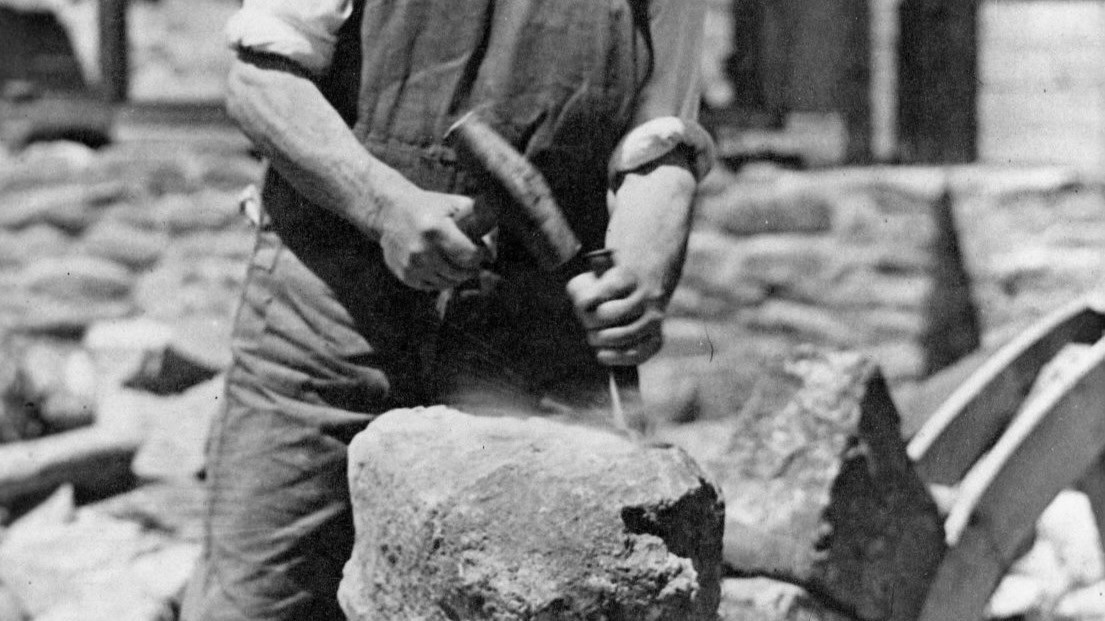
Masonry has long been a cornerstone of Ohio’s architectural heritage—from historic public buildings and churches to modern commercial constructions. For decades, the skilled craft of laying brick, stone, and block contributed not only to aesthetic appeal but also to the structural integrity of Ohio’s built environment. However, in recent years, both the industry’s prominence and the overall quality of masonry work have shown signs of decline. This article examines some of the underlying factors driving this trend and considers its broader implications.
Shifting Market Dynamics and Economic Pressures
One significant factor contributing to the industry’s downturn is the evolving nature of the construction market. Over time, modern building practices have increasingly favored materials such as steel, glass, and precast concrete, which often promise quicker installation and lower short-term costs. These alternatives, while innovative, have led to a decreased reliance on traditional masonry methods.
Economic pressures have compounded this shift. In a competitive construction market, contractors may feel compelled to cut corners to remain profitable. Cost-cutting can result in the substitution of premium materials with cheaper alternatives and the acceleration of project timelines at the expense of detailed workmanship. This drive for efficiency has a direct impact on both the durability and the visual quality of masonry installations.
The Labor Shortage and Erosion of Skilled Craftsmanship
The decline in quality can also be traced back to a shortage of skilled labor. Historically, the masonry trade was passed down through apprenticeships and specialized training programs that emphasized meticulous techniques and long-standing traditions. Today, however, the industry faces an aging workforce with fewer young workers entering the field. As experienced masons retire, their expertise is not being sufficiently replaced.
This talent gap has several implications:
- Reduced Attention to Detail: With fewer skilled professionals available, there is less opportunity for mentoring and rigorous quality control on job sites.
- Rushed Work: Contractors under pressure to meet deadlines may rely on less experienced workers, leading to mistakes and shortcuts that degrade overall quality.
- Diminished Craft Culture: The deep-seated pride in traditional masonry techniques is gradually eroding, as cost and time efficiency take precedence over craftsmanship.
Organizations such as the Ohio Masonry Association (OMA) have long championed high standards and continued education in the trade. However, even with these efforts, the broader economic and demographic challenges continue to impact the industry.
Changing Construction Priorities and Project Demands
Modern construction projects often prioritize speed and scalability over the enduring qualities traditionally associated with masonry. In a world where technology and innovation are celebrated, the slower pace and labor-intensive nature of masonry can be viewed as outdated. Developers and clients frequently opt for systems that promise faster returns on investment and lower upfront costs.
This shift in priorities can lead to:
- Short-Term Solutions: Emphasis on quick fixes rather than long-term durability, resulting in buildings that may require more frequent repairs.
- Inconsistent Standards: As projects become more commercialized and less personalized, the consistency and attention to detail that once defined high-quality masonry work may wane.
- Limited Innovation in Traditional Techniques: The drive for efficiency can stifle research and development in traditional masonry methods, leaving the craft without a clear path forward in the modern construction landscape.
Impact on Quality and Long-Term Consequences
The quality of masonry work is more than just an aesthetic concern—it directly affects building safety, energy efficiency, and overall structural performance. Declining quality in masonry can lead to problems such as:
- Water Infiltration and Structural Weakness: Poorly executed mortar joints and inconsistent material quality can compromise a building’s ability to withstand weather extremes.
- Increased Maintenance Costs: Over time, substandard masonry work may necessitate costly repairs and retrofits, burdening property owners.
- Erosion of Architectural Heritage: Many historic structures in Ohio owe their character and longevity to superior masonry work. A decline in quality threatens the preservation of these cultural landmarks.
Furthermore, as market pressures push for lower costs and faster project completion, the industry risks losing the very qualities that have historically defined its excellence. The result is a dual decline: fewer masonry projects are initiated, and those that are undertaken may not meet the rigorous standards of the past.
Industry Response and the Road Ahead
Despite these challenges, there remains a strong community of professionals within Ohio’s masonry industry dedicated to reversing these trends. Industry groups like the Ohio Masonry Association are actively engaged in:
- Advocacy and Training: Promoting continued education and certification programs to preserve and elevate traditional masonry techniques.
- Quality Standards: Collaborating with local and state agencies to establish stringent quality benchmarks that ensure the longevity and safety of masonry work.
- Innovation and Adaptation: Encouraging the integration of modern technologies with traditional methods to create hybrid solutions that can meet contemporary demands without sacrificing quality.
Revitalizing the masonry industry in Ohio will require a concerted effort from all stakeholders—including contractors, training institutions, industry associations, and regulatory bodies—to invest in both people and technology. By emphasizing craftsmanship and quality alongside innovation, the industry can reclaim its historic reputation for excellence.
Conclusion
The decline of the masonry industry in Ohio and the corresponding drop in workmanship quality are symptoms of broader economic, demographic, and market-driven shifts. While modern construction trends and financial pressures have undeniably contributed to this downturn, there remains hope through dedicated industry advocacy, renewed emphasis on training, and a commitment to quality. Restoring the legacy of Ohio masonry will not only preserve a vital cultural heritage but also ensure the structural integrity and aesthetic appeal of future constructions.
As the industry navigates these challenges, it will be crucial to balance modern efficiencies with time-honored craftsmanship—a fusion that may well define the future of masonry in Ohio.