
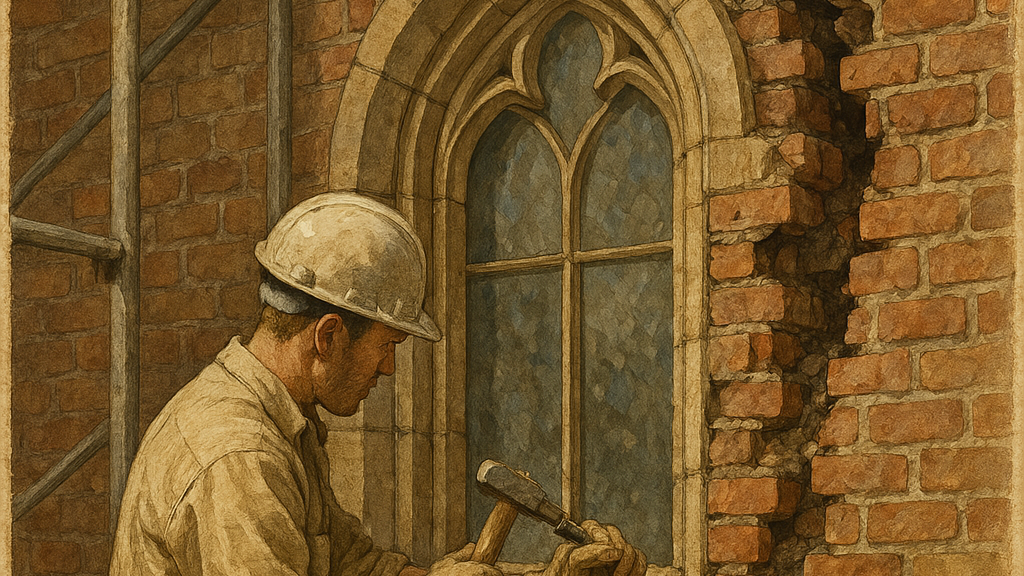
In a world racing toward innovation, there remains a deep and powerful respect for the past—especially when it’s built from brick, stone, and steel. Historical structural work is more than preservation; it’s a specialized discipline that blends traditional craftsmanship, modern engineering, and a reverence for the stories embedded in every material.
What Is Historical Structural Work?
Historical structural work involves the restoration, reinforcement, or replication of original architectural elements in historic buildings, monuments, and infrastructure. These projects are rooted in the goal of retaining as much of the original material and design as possible, while ensuring the structure meets modern safety and usability standards.
Whether it’s a 19th-century courthouse, a colonial-era church, or a post-industrial masonry mill, each structure demands a custom approach that balances history with structural integrity.
Challenges Unique to Historical Structural Work
1. Material Compatibility
Many older structures were built with lime-based mortars, handmade bricks, rough-cut timber, or unreinforced stone. Using modern materials without careful consideration can cause more harm than good. Restorers must:
- Source period-correct materials
- Match original mortar mixes
- Use non-invasive reinforcement techniques
2. Hidden Structural Damage
Decades or centuries of moisture infiltration, settling, or outdated construction methods often leave internal damage unseen until careful inspection is done. Solutions often involve:
- Infrared scanning
- Structural shoring and bracing
- Selective demolition for investigation
3. Code Compliance Without Compromise
Historic structures are often exempt from full code compliance, but life safety cannot be ignored. Engineers and masons must be creative:
- Reinforcing without altering appearance
- Installing hidden supports or seismic anchors
- Integrating fireproofing and ADA access unobtrusively
The Role of Craftsmanship
One of the most important aspects of historical structural work is the revival of lost trades—stone carving, hand-troweled plaster, lime washing, and more. This work cannot be rushed or faked. The best restorations look effortless because they honor the original builder’s intent while quietly strengthening what lies beneath.
Notable Examples of Historical Structural Work
- Ellis Island Immigration Station (NYC): Restored with original brick and terra cotta elements, reinforced to withstand modern occupancy levels.
- The Ohio Statehouse (Columbus, OH): Massive masonry rehabilitation using Ohio-sourced limestone, matching 19th-century tooling.
- San Francisco City Hall: Seismically retrofitted after 1989’s Loma Prieta earthquake—engineers installed base isolators beneath the building without disturbing its Beaux-Arts exterior.
Why It Matters
Preserving our built history isn’t just about nostalgia—it’s about sustainability, culture, and identity. Every building saved from demolition:
- Keeps embodied energy out of landfills
- Teaches future generations about craftsmanship
- Maintains the architectural character of our cities
Historical structural work ensures that landmarks don’t just survive—they thrive.
A Partner You Can Trust
At Curatola Masonry, we’re proud to bring decades of hands-on experience in structural restoration, with a deep respect for the craftsmanship of the past. Our teams specialize in:
- Chimney and foundation stabilization
- Stone, brick, and lime mortar restoration
- Government, municipal, and landmark projects
We believe in blending the old world with the new—because preserving history is a responsibility, not just a trade.