
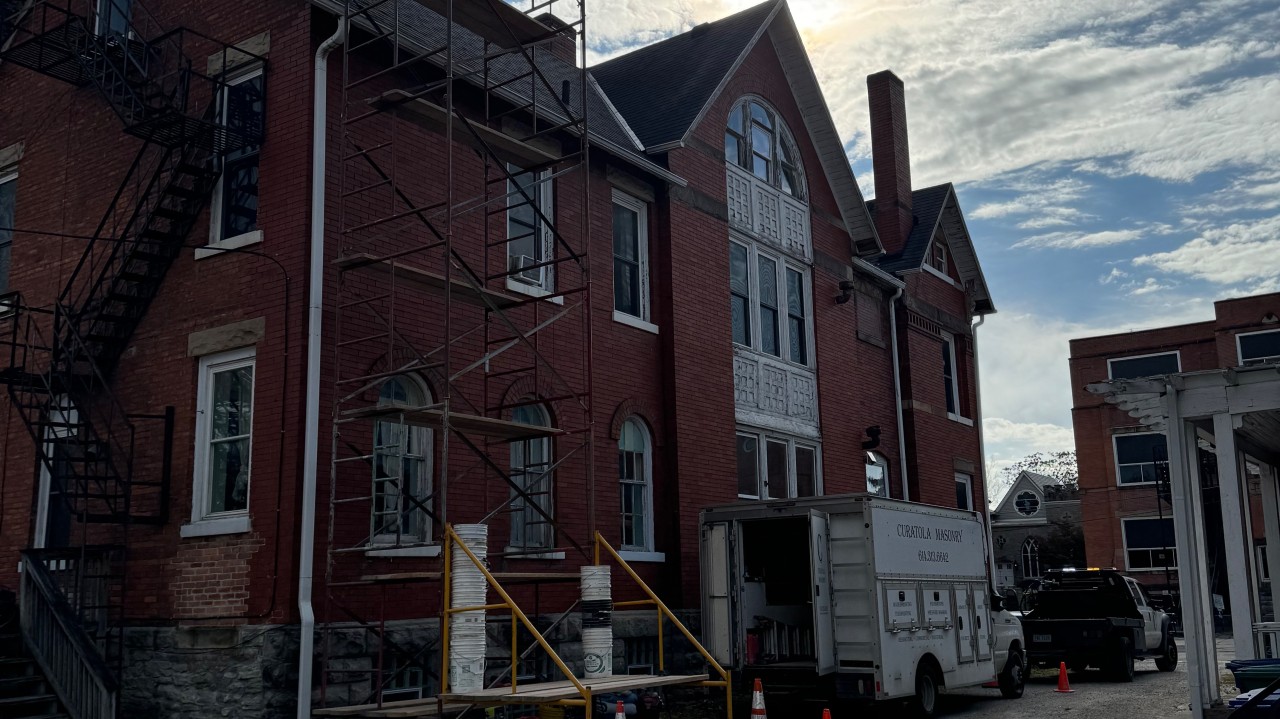
Walk through the neighborhoods of German Village, Olde Towne East, or Victorian Village in Columbus, and you’ll find homes with soul—crafted with hand-laid bricks, sandstone foundations, and a history worth preserving. But many of these structures face a quiet threat, not from the weather or time, but from well-meaning repairs made with the wrong materials.
At the heart of the issue is mortar—the material that binds brick and stone together. And when it comes to homes built before the 1930s, lime mortar isn’t just historically accurate—it’s essential.
The Difference Between Lime and Portland Cement Mortar
Lime mortar was the standard building material for centuries before Portland cement became widespread in the 20th century. Lime is softer, more flexible, and breathable. It allows a building to expand and contract with temperature changes and to manage moisture naturally by absorbing and releasing water vapor.
In contrast, Portland cement is harder and more brittle. While ideal for modern masonry and concrete construction, it can cause serious damage when used on historic brick.
Why Modern Cement Damages Old Brick
The bricks used in 19th- and early 20th-century construction were often handmade or low-fired, meaning they are more porous and less dense than today’s bricks. These older bricks were designed to work in harmony with soft lime mortar that would take the wear and allow for maintenance through a process called tuckpointing.
When you use Portland cement on these homes:
- The mortar becomes stronger than the brick, forcing stress into the brick itself
- Moisture becomes trapped, leading to spalling (flaking and breaking)
- Breathability is lost, causing mold, rot, or frost damage inside the wall
- The repair becomes more expensive, and original materials are permanently damaged
Preservation is More Than Aesthetic—It’s Structural
In Columbus, homeowners often want to preserve the visual charm of their homes—but true preservation also means maintaining the materials and construction methods that keep these buildings standing.
Using lime mortar for tuckpointing and repairs ensures the home can continue to move, breathe, and age naturally without harming the original structure.
At Curatola Masonry, we follow National Park Service preservation guidelines and always recommend lime-based mortars for homes built prior to 1930—especially in Columbus’s historic districts.
How Homeowners Can Protect Their Homes
1. Know your home’s age – If it was built before 1930, assume lime mortar was used.
2. Avoid modern repairs without consultation – Many contractors aren’t trained in historic masonry.
3. Request lime-based mortar for repointing – It can be custom matched to color and composition.
4. Work with preservation-conscious masons – This ensures compliance with local historical guidelines.
Final Thoughts
Preserving the beauty and strength of Columbus’s historic homes is a responsibility we all share. Lime mortar isn’t just a nod to the past—it’s a necessity for the future. By making informed choices, homeowners can protect their investments and honor the craftsmanship that built these incredible neighborhoods.
At Curatola Masonry, we don’t just restore masonry—we preserve history, one joint at a time.