
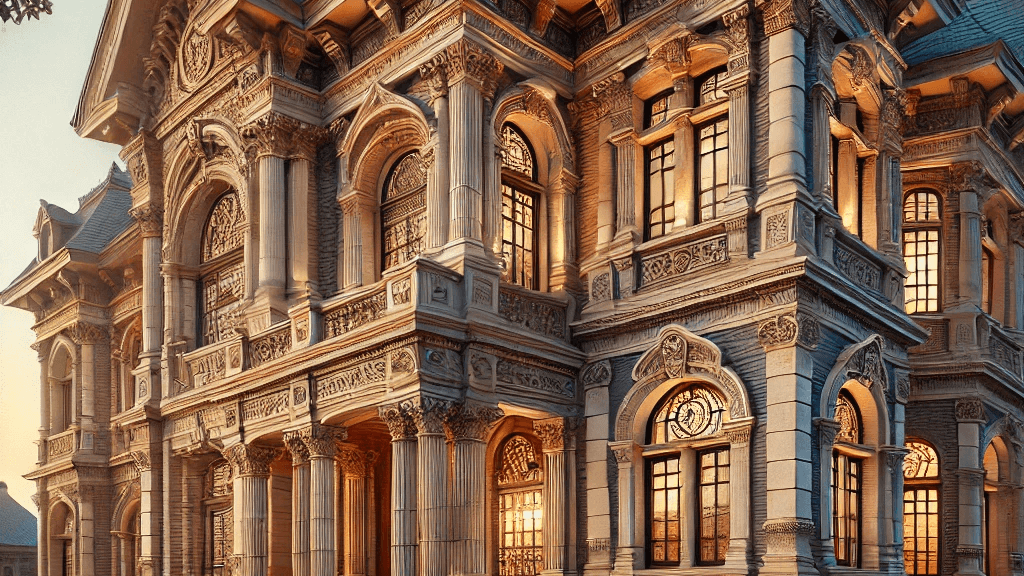
Beneath the skyline of modern Columbus lies a story built not in blueprints, but in calloused hands and time-tested stone. It’s a story of laborers and visionaries—immigrants, tradespeople, and civic dreamers—who didn’t just construct buildings. They built a city.
From the sandstone foundations of German Village to the brick lanes of the Short North, Columbus’s architectural DNA is written in mortar. Yet too often, that legacy is quietly slipping away—not through fire or disaster, but through neglect, poor repairs, and demolition disguised as progress.
If we are to move forward as a city of vision, we must first learn to respect the craftsmanship and cultural identity already rooted in our streets.
The True Builders of Columbus
The structures that define Columbus weren’t raised by corporations or algorithms. They were laid by the hands of masons, ironworkers, carpenters, and craftsmen—many of them first-generation Americans, many of them nameless today.
These men and women didn’t just follow plans—they followed principles:
• Build for generations, not inspection deadlines
• Use local materials whenever possible
• Celebrate detail, even when it’s hard to see
• Respect the land, the lines, and the labor
Their legacy still stands—but it needs protection.
Why Preservation Isn’t Nostalgia
Preservation isn’t about resisting change. It’s about guiding it. When we preserve original architecture, we preserve identity, character, and civic continuity.
When we allow shortcuts, vinyl overlays, synthetic stone, or underqualified work to compromise historic buildings, we do more than lose aesthetics—we lose trust. We lose the soul of our neighborhoods.
Whether it’s a crumbling sandstone stoop in Olde Towne East or an unreinforced chimney in Clintonville, preservation starts not with big policy—but with small, smart choices made by homeowners, contractors, and city officials alike.
Columbus at a Crossroads
Our city is growing. And with growth comes opportunity—but also risk. Development pressures are threatening historic corridors. Buildings that could be restored are being leveled. Original materials are replaced with plastic imitations. And craftsmanship is too often replaced with convenience.
We must ask ourselves:
• Who is benefiting from this development?
• What are we sacrificing in the name of speed?
• And who will teach the next generation how to preserve what we’ve already built?
How We Move Forward
As a licensed mason, veteran, and preservation advocate, I believe Columbus has a rare chance to lead nationally—not just in building, but in responsible rebuilding.
Here’s how:
• Enforce licensure and code compliance for all structural masonry and restoration work
• Fund local trade education programs that teach heritage techniques alongside modern building science
• Create tax incentives for homeowners and businesses who restore with original materials
• Appoint preservation advisors on development projects near historically sensitive areas
• Engage the community—because no one protects what they don’t understand
Conclusion: Preserving the Hands that Built This City
Preservation is not a luxury. It’s a responsibility.
We owe it to the masons who stacked every block by hand… to the ironworkers who riveted beams on freezing mornings… to the families who’ve lived under slate roofs for 100 years.
But more than anything, we owe it to our children—to make sure they inherit not just a city of steel and concrete, but one of meaning, character, and craftsmanship.
Columbus was built on legacy.
Now it’s time we build a future worthy of it.