
Masonry structures are built to last, with many standing for generations. But time, weather, and shifting foundations inevitably take their toll. Whether it’s a crumbling chimney, a bowed retaining wall, or deteriorating brickwork on a historic home, property owners are often faced with a critical question: Should I repoint, or should I rebuild?
As the founder of Curatola Masonry, with over 25 years of experience in structural masonry and historic preservation, I’ve been called to hundreds of job sites where this very decision had to be made. It’s not always a clear-cut answer. This article will walk you through the key differences between repointing and rebuilding, how to assess what your structure needs, and when to call in an expert.
What Is Repointing?
Repointing is the process of removing deteriorated mortar from the joints between masonry units (typically bricks or stones) and replacing it with fresh mortar. The goal is to restore structural integrity, weather resistance, and visual appeal — without disturbing the original masonry units.
Signs your structure may need repointing:
• Crumbling or missing mortar between bricks or stones
• Hairline cracks forming along mortar joints
• Water infiltration through walls or chimneys
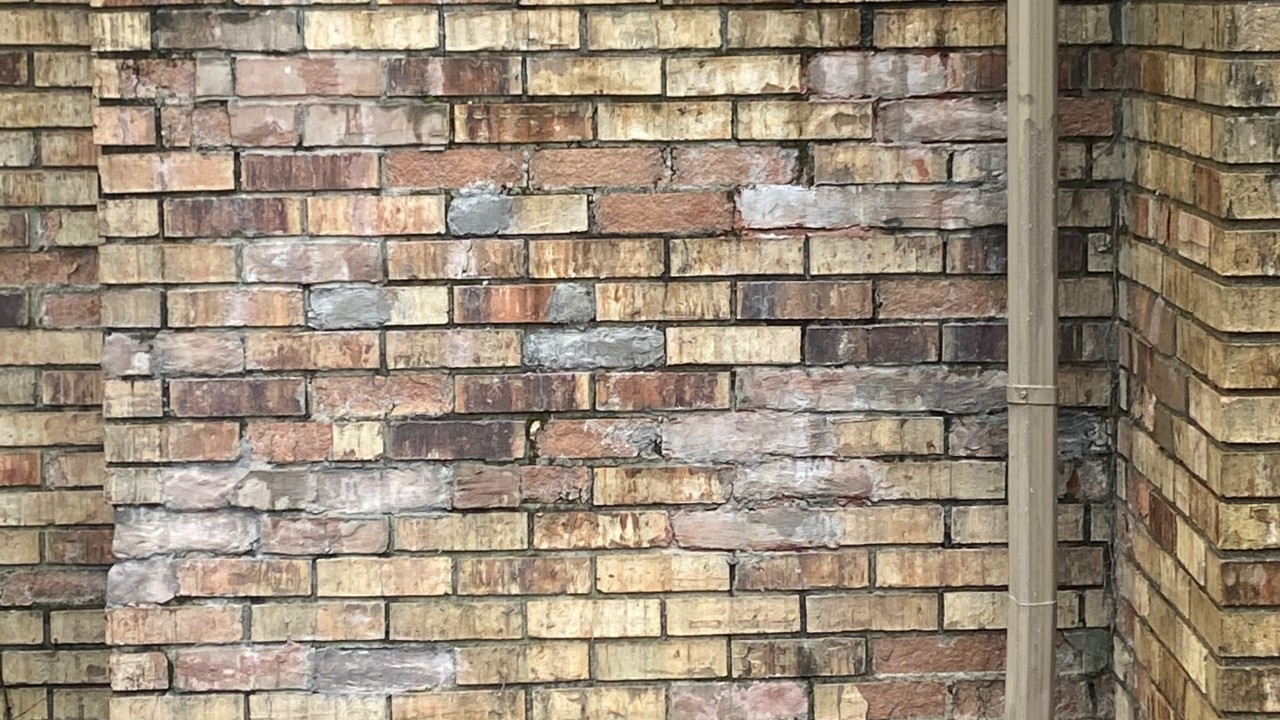
• Efflorescence (white salt deposits on masonry surfaces)
• Spalling (surface flaking) caused by freeze-thaw cycles
Repointing is often sufficient for maintaining masonry structures that are fundamentally sound but showing signs of aging. In historic preservation, repointing using lime-based mortar can help retain a structure’s authenticity and prevent further decay without compromising the original materials.
What Is Rebuilding?
Rebuilding involves dismantling and reconstructing part (or all) of a masonry structure. This might include relaying bricks, resetting stones, or rebuilding a failed chimney, wall, or foundation section. Rebuilding becomes necessary when mortar deterioration is accompanied by structural failure or widespread damage.
Indicators that a rebuild may be necessary:
• Large cracks or shifting in the masonry units themselves
• Bulging or bowing walls
• Loose or missing bricks or stones
• Water penetration that has damaged the wall’s interior
• Foundation settlement or movement impacting the masonry
• Previous improper repairs (e.g., use of Portland cement on historic lime mortar)
Rebuilding ensures the integrity and safety of a structure that can no longer be saved by repointing alone. It can also provide the opportunity to install modern drainage systems, insulation, or flashing — elements not always present in older construction.
Cost, Time, and Long-Term Value
Repointing is less invasive and usually less expensive than rebuilding. A well-executed repointing job can add decades of life to a structure and prevent costly repairs down the road. However, repointing is only effective if the structure is fundamentally stable.
Rebuilding, while more costly, may be the only viable option when masonry has failed beyond repair. The key is not just replacing what was there, but doing it right: matching brick type and color, using appropriate mortar, and addressing the underlying cause of failure (e.g., drainage, settling, or water intrusion).
When Repointing Goes Wrong
Not all repointing is created equal. A common mistake is using the wrong mortar — especially on historic buildings. Modern Portland cement is too hard for older brickwork and can lead to cracking or accelerated decay. The mortar should always be softer than the masonry itself, allowing it to absorb movement and moisture without damaging the bricks or stones.
Making the Right Call
Here’s a practical guideline:
• Repoint when the mortar is failing but the masonry units are stable and structurally sound.
• Rebuild when the structure shows signs of shifting, bowing, cracking, or severe deterioration.
In many cases, a combination of both is needed — partial rebuilds followed by repointing. For example, the top few feet of a chimney may require full rebuilding, while the lower sections only need to be repointed.
Consult with a Masonry Professional
Whether you’re preserving a historic landmark or maintaining a modern brick home, always consult with a qualified masonry contractor. At Curatola Masonry, we begin with a comprehensive assessment to determine the best course of action. Our approach is rooted in honesty, craftsmanship, and a deep respect for both tradition and innovation.
If you’re unsure whether your masonry needs repointing or rebuilding, don’t wait for it to become a safety issue. Get an expert opinion and invest in the longevity of your structure.
Justin Curatola is the founder of Curatola Masonry, a veteran-owned company recognized globally for excellence in craftsmanship, historic preservation, and facility masonry engineering. With more than two decades of hands-on experience, Justin continues to raise the standard for masonry work in both the residential and commercial sectors.
Contact Curatola Masonry for an assessment or professional estimate: 614-313-6642