
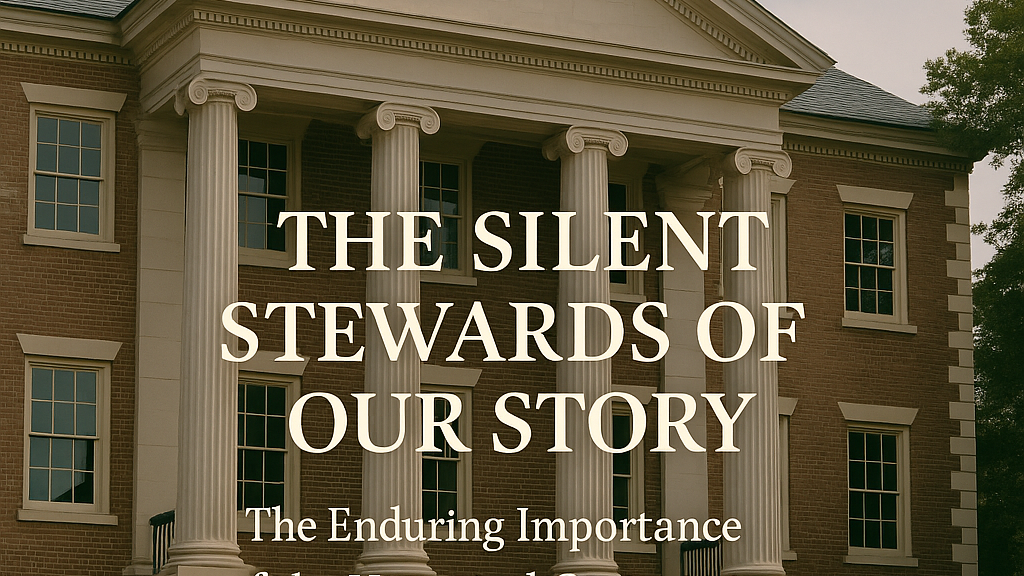
In the fast-paced world of development and modernization, historical commissions stand as the steadfast guardians of our built heritage. These local and state-appointed bodies—often underappreciated and underfunded—play an essential role in preserving the architectural, cultural, and historical fabric of our communities. Their work is not about resisting progress, but about ensuring that progress honors the past.
For professionals in trades such as masonry, architecture, restoration, and urban planning, the historical commission is not an obstacle; it is a partner. At its core, the commission exists to advocate for thoughtful preservation, protect against negligent renovation, and elevate the craftsmanship that built our towns, cities, and landmarks.
Why Historical Commissions Matter
1. They Protect Architectural Authenticity
Whether it’s a Federal-style home from the 1820s or a WPA-era public building, architectural styles are more than aesthetic—they are historical records in brick, stone, timber, and mortar. The historical commission ensures that renovations and repairs respect original materials, techniques, and design principles.
This often means working closely with qualified professionals, such as licensed masons or restoration contractors, to identify historically accurate methods—lime mortar over Portland, hand-hewn stone over synthetic veneers, or true repointing instead of superficial patching.
2. They Safeguard Community Identity
A city’s identity is reflected in its buildings. Neighborhoods like German Village in Columbus, Ohio, or the French Quarter in New Orleans are recognized not by their skylines, but by the harmony of their historic streetscapes. The commission’s role in reviewing Certificates of Appropriateness for exterior work ensures that any change—be it window replacement, roofline modification, or brick cleaning—is done in a way that contributes to the character of the community.
Without this oversight, one inappropriate renovation can diminish the entire block’s historic cohesion—and devalue both its heritage and real estate appeal.
3. They Create Economic and Cultural Value
Historic districts often command higher property values, attract tourism, and spur economic activity. Preservation is not just sentiment—it’s smart investment. Commission-guided projects can often qualify for local and federal tax credits, grants, and special zoning allowances that make restoration feasible for homeowners and developers alike.
Moreover, these projects often create demand for specialized trades—historical masons, window fabricators, lime plasterers, and others—stimulating skilled labor markets and sustaining traditional craftsmanship.
The Commission and the Contractor: A Necessary Partnership
When working on a designated historic structure or within a regulated district, no professional should approach the project without engaging the historical commission early. This isn’t just a legal obligation—it’s a sign of respect.
Contractors who embrace this relationship often produce higher-quality work, earn more trust from the public, and position themselves as leaders in preservation. Transparency, documentation, and a willingness to follow preservation standards—such as the Secretary of the Interior’s Standards for the Treatment of Historic Properties—go a long way.
And when problems arise, as they often do with older structures—foundation shifting, spalling brick, undocumented modifications—the commission becomes an essential ally in navigating acceptable alternatives that still honor the original character.
Challenges and the Path Forward
It’s no secret that some commissions face criticism—from developers frustrated by perceived delays, to homeowners unaware of requirements until after a violation. But most commissions are composed of passionate, volunteer professionals—historians, architects, tradespeople—dedicated to public service.
What’s needed is more education, not less enforcement. Municipalities must continue to invest in training, digitize their processes for accessibility, and work hand-in-hand with local trades to promote both preservation and progress. The best commissions do not hinder—they guide.
Conclusion: Preserving the Past, Building the Future
At a time when speed and cost often outweigh craftsmanship and history, historical commissions provide the necessary pause to ask: Are we honoring what came before? These bodies ensure that we do not erase our heritage in the name of convenience.
To all contractors, architects, planners, and homeowners: engage with your local historical commission not out of obligation, but out of pride. Because in preserving the past, we don’t just save buildings—we save the soul of our communities.
Written by Justin Curatola
Mason | Historic Restoration Specialist | Founder, Curatola Masonry