

Columbus is full of historic charm—brick churches in German Village, early 1900s storefronts in Short North, and beautifully aged masonry homes near Clintonville and Victorian Village. But time, weather, and pollution can take a serious toll on those structures.
So how do old buildings stay standing for another 50–100 years without losing what makes them special?
The answer: expert masonry restoration contractors, like Curatola Masonry, who understand how to repair and reinforce historic brick and stone without compromising architectural integrity.
In this guide, we’ll walk through exactly how masonry restoration works, why it matters, and what Columbus property owners should know before starting a restoration project.
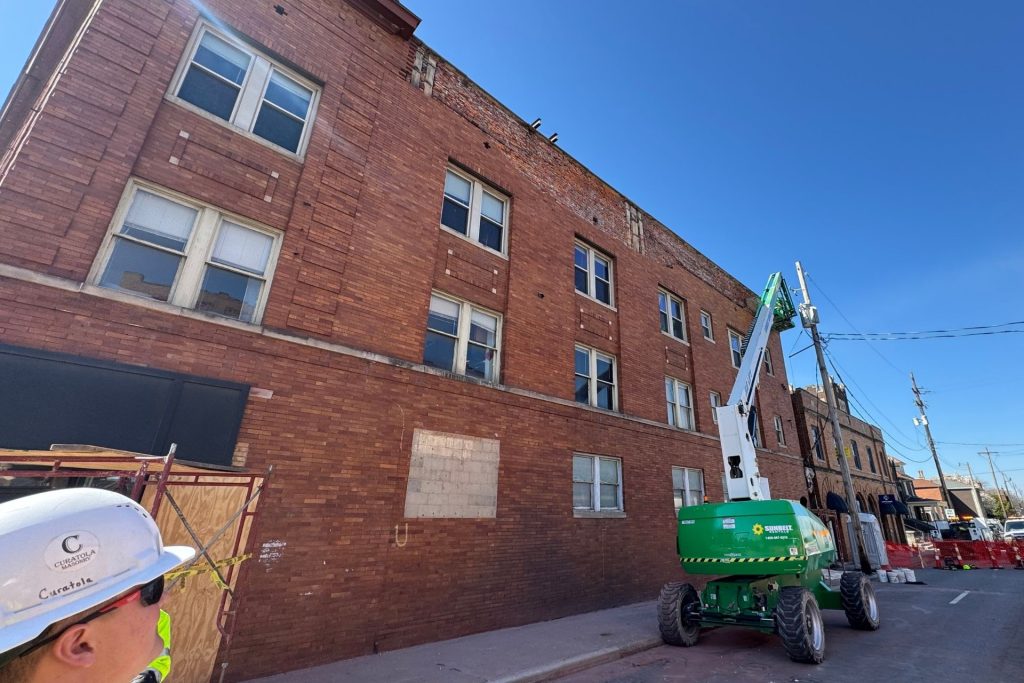
Why Masonry Restoration Matters for Historic Buildings
Historic buildings aren’t just “old.” They are built with materials and techniques that are often no longer used today, including:
- Lime-based mortar (softer and breathable)
- Handmade brick with irregular shapes and porosity
- Stone foundations that require specialized maintenance
- Decorative masonry patterns that define the building’s character
When these buildings aren’t repaired correctly—especially with modern materials that don’t match the original—this can cause long-term damage such as cracking, trapped moisture, and structural failure.
A skilled masonry restoration contractor in Columbus, OH, focuses on preservation and performance: keeping the building safe while maintaining the original look and craftsmanship.
Common Causes of Masonry Damage in Columbus, OH
The Midwest climate is harsh on brick and stone—especially in Central Ohio. Here are the biggest culprits behind deterioration:
Freeze-Thaw Cycles
Columbus winters often swing above and below freezing. Water gets into masonry pores, freezes, expands, and slowly breaks the surface apart.
Moisture Intrusion
Failing mortar joints and cracks let water seep inside, leading to staining, mold, and internal wall damage.
Mortar Breakdown
Older lime mortar can erode over time, leaving gaps between bricks and weakening entire walls.
Pollution + Salt Exposure
Downtown buildings and areas near busy roads can experience faster decay due to grime, chemical exposure, and salt runoff.
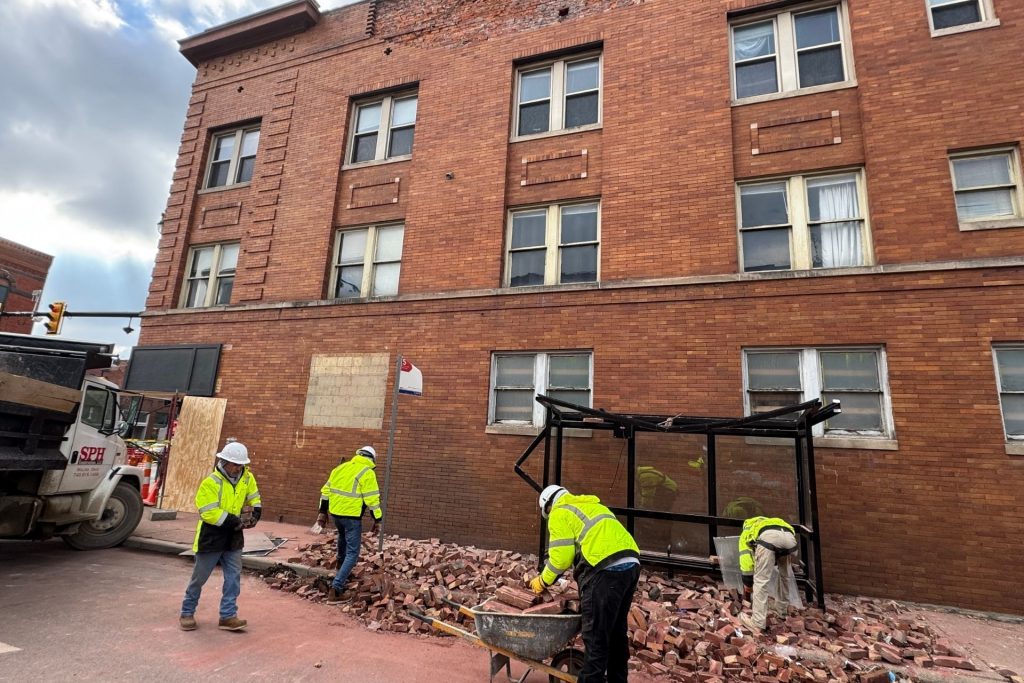
What Masonry Restoration Contractors Actually Do
Many property owners assume restoration is just “patching brick.” In reality, professional masonry restoration is a multi-step preservation process—especially for historic buildings.
Here’s how contractors revive old masonry the right way:
1. Detailed Inspection & Preservation Planning
Restoration begins with identifying:
- Loose or spalling bricks
- Mortar joint depth and decay
- Water entry points
- Foundation settling
- Previous (incorrect) repairs
A proper plan ensures repairs match the building’s era, materials, and structure.
2. Tuckpointing & Repointing (The Most Critical Step)
Historic brickwork relies on mortar joints for both stability and flexibility. But when mortar crumbles, buildings lose strength—and water gets in.
Repointing restores mortar joints using a mix that matches the original mortar’s:
- Color
- Texture
- Strength
- Breathability (crucial with lime mortar)
A contractor removes deteriorated mortar and replaces it carefully to prevent brick damage.
Why it matters: Using the wrong mortar (too hard) can cause the brick itself to crack or crumble.
3. Brick Replacement & Matching
Not all bricks can be saved. Contractors replace only what’s necessary, while matching:
- Size and shape
- Porosity
- Color tone (weathered vs. new)
- Placement pattern
In historic districts like German Village, brick matching is essential for approvals and preservation compliance.
4. Masonry Cleaning (Without Damaging the Surface)
Cleaning historic masonry requires skill. Harsh pressure washing or chemical cleaners can permanently scar brick or stone.
Instead, restoration pros use:
- Low-pressure water washing
- Gentle detergents
- Specialized steam cleaning
- Soft bristle techniques
This restores the building’s natural appearance while protecting the brick’s outer “skin”.
5. Crack Repair & Structural Reinforcement
Some buildings need more than surface restoration—especially older multi-story brick buildings or homes with foundation movement.
Structural repairs may include:
- Helical ties or reinforcement anchors
- Lintel replacement above windows/doors
- Chimney stabilization
- Foundation repointing and brick rebuilds
6. Water Protection & Prevention
Once masonry is restored, contractors may recommend:
- Proper flashing installation
- Gutter and downspout correction
- Breathable water repellents (when appropriate)
- Chimney caps and crown repair
These updates prevent future damage while preserving the building’s integrity.

How to Choose the Right Masonry Restoration Contractor in Columbus, OH
When preserving a historic building, contractor selection matters more than ever.
Here are the top things to look for:
- Experience in historic restoration (not just general masonry)
- Knowledge of lime mortar and older materials
- Ability to match brick and mortar visually
- Familiarity with the Columbus historic district standards
- Strong portfolio of local work
- Clear communication and inspection reports
Pro tip: Ask if they have worked in German Village, Downtown Columbus, or Bexley—areas where historic materials are common.
Preserving Columbus One Brick at a Time
From century-old homes to historic commercial buildings, masonry restoration is one of the most important ways to protect Columbus’s history. With the right expertise, these structures can be stabilized, refreshed, and preserved—while keeping their original character intact.
If you’re responsible for a historic home, church, or brick building, working with a masonry restoration contractor in Columbus, OH, who understands heritage materials is the best way to ensure the restoration lasts for decades.
Frequently Asked Questions
Q: How much does masonry restoration cost in Columbus, OH?
Costs vary based on the building size, damage level, and materials. Small repointing projects may cost a few thousand, while full historic restorations can be significantly more.
Q: Is tuckpointing the same as repointing?
They’re related. Repointing restores deteriorated joints; tuckpointing is often used to improve appearance and create cleaner visual lines (sometimes using two-tone mortar effects).
Q: How do I know if my building needs repointing?
Watch for:
- Crumbling mortar
- Loose bricks
- Water stains
- Interior leaks
- Gaps between joints
If the mortar can be scraped out easily, repointing is likely needed.
Q: Can you restore the brick without changing the building’s original look?
Yes—when done correctly. Skilled contractors match mortar and brick so repairs blend seamlessly with the original architecture.
Q: Do historic buildings in German Village require special restoration rules?
Often, yes. Depending on location and district guidelines, certain repairs may need to follow preservation standards or approvals.