

There is something undeniably powerful about standing in front of a century-old building — the ornate stonework, the weathered brick, the carved limestone details that tell the story of a city’s past.
In Columbus, Ohio, these architectural treasures are woven into the fabric of iconic neighborhoods like German Village, the Short North, Italian Village, and the Brewery District. But time, weather, and neglect take a toll. Without proper care, these irreplaceable structures can deteriorate beyond repair.
That is exactly where professional masonry restoration comes in. This guide explores how masonry restoration works, why it is essential for older buildings in Central Ohio, and what property owners should look for when hiring a qualified masonry restoration contractor in Columbus, OH.
What Is Masonry Restoration — And Why Does It Matter?
Masonry restoration is the process of repairing, cleaning, and preserving masonry structures — brick, stone, concrete block, and mortar — to their original or historically accurate condition. It goes far beyond a simple patch job. True restoration requires a deep understanding of historical construction methods, material science, and the specific weathering patterns that affect structures in Columbus’s climate.
Professional masonry restoration services typically include:
- Tuckpointing and repointing — removing deteriorated mortar joints and replacing them with new mortar matched to the original in composition, color, and texture
- Brick replacement — sourcing period-appropriate or custom-made bricks to blend with existing masonry seamlessly
- Stone repair and consolidation — stabilizing cracked or spalling limestone, sandstone, or granite
- Chimney restoration — rebuilding or repairing fireboxes, crowns, flashing, and deteriorated mortar joints
- Water damage remediation — addressing efflorescence, staining, and moisture infiltration that weakens masonry from the inside out
- Lintel and arch repair — reinforcing or replacing structural supports above windows and doorways
- Facade cleaning — using gentle, historically sensitive methods to remove pollution, biological growth, and staining without damaging masonry surfaces
When done correctly by an experienced team, masonry restoration does not just fix a visible problem — it extends a building’s life by decades. It preserves the character that makes Columbus, OH, neighborhoods so unique.
Why Older Columbus, OH, Buildings Deserve Specialized Care
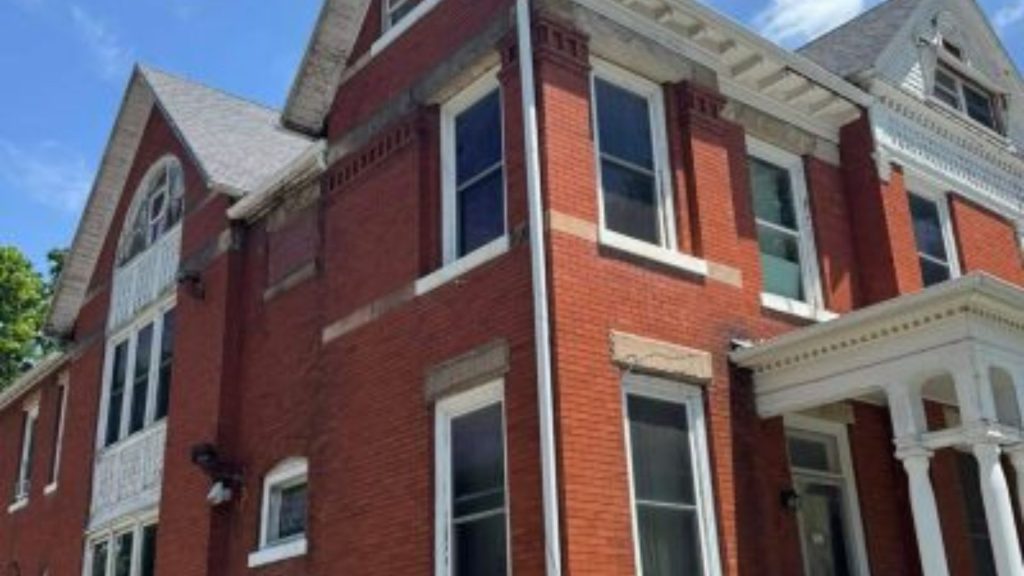
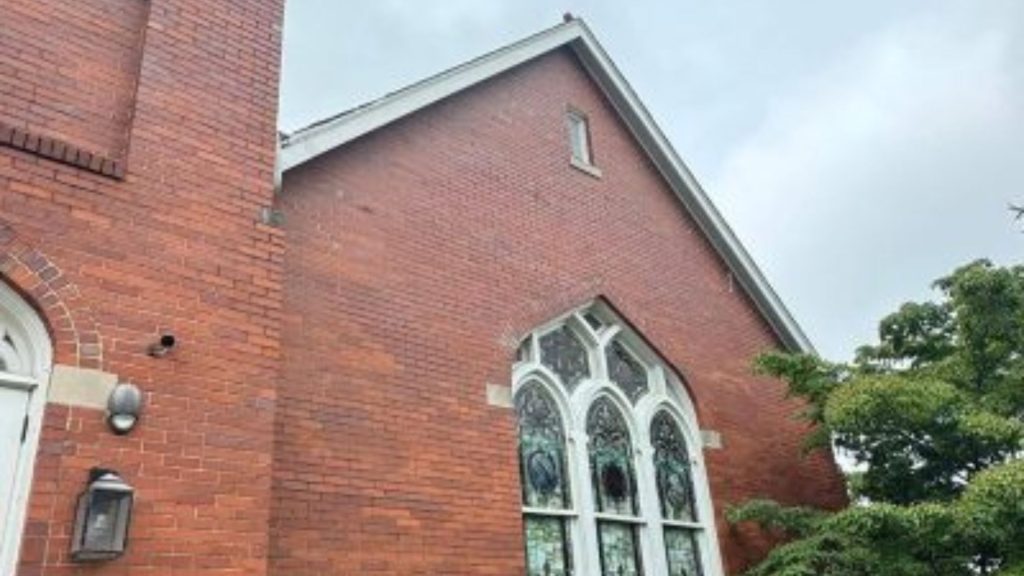
Columbus has a rich and layered architectural history. The city’s older neighborhoods are lined with late-1800s Victorian-era homes, Romanesque Revival churches, and early-20th-century commercial buildings that reflect generations of skilled craftsmanship. Many of these structures were built using materials and techniques that are no longer common — soft lime mortars, hand-pressed bricks, and locally quarried Ohio limestone and sandstone.
Here lies a critical problem: when property owners use modern repair materials on historic masonry, they can cause serious unintended damage. Portland cement mortar, for example, is far harder than the soft brick used in many pre-1920s Columbus buildings. When used to repoint old joints, it prevents the natural expansion and contraction of masonry, resulting in cracked and spalling brick faces rather than the worn mortar joints nature intended.
This is precisely why working with an experienced masonry restoration contractor in Columbus, OH, like Curatola Masonry, is so critical. A knowledgeable contractor will assess the original materials, test mortar samples as needed, and custom-mix mortar to match the original materials’ softness, permeability, and appearance. This attention to detail is not just about aesthetics — it protects the building’s structural integrity for generations to come.
How Does the Masonry Restoration Process Work?
Understanding what a professional restoration project looks like from start to finish helps property owners plan effectively and set realistic expectations.
Step 1: Initial Assessment and Diagnosis
The first step is a thorough on-site inspection. A skilled contractor looks for deteriorated mortar joints, spalling brick faces, staining, efflorescence (white salt deposits), displaced sections, and evidence of water infiltration. In some cases, mortar samples may be sent to a lab to determine the exact composition of the original mix.
Step 2: Historical Research and Material Matching
For historic Columbus buildings, research matters. A restoration contractor may review original building permits, consult with the Columbus Landmarks Foundation, or consult historical photographs to determine which materials and finishes were originally used. Sourcing period-appropriate materials — whether custom brick orders, salvaged stone, or lime putty mortars — ensures the restoration is both authentic and structurally sound.
Step 3: Preparation and Site Protection
Before any hands-on work begins, surrounding areas are carefully protected. Scaffolding is erected safely, windows and landscaping are covered, and neighboring structures are taken into account. This is especially important when cleaning facades, as even gentle cleaning methods require proper containment.
Step 4: Restoration Work
The restoration phase varies depending on the scope. Repointing is done carefully by hand — old mortar is removed using grinders or chisels to the proper depth without damaging the brick. New mortar is packed in layers and tooled to match the original joint profile. Brick or stone replacement involves removing damaged units and setting new ones using mortar that blends seamlessly with the surrounding masonry.
Step 5: Final Inspection
Once work is complete, a thorough final inspection ensures quality and consistency across all restored areas. Some projects may include applying a breathable masonry sealer for added weather protection, though in historic preservation, sealers are used selectively to avoid trapping moisture inside the wall.
Working with a trusted masonry restoration contractor in Columbus, OH, means every one of these steps is handled with expertise, care, and a respect for the building’s original character.
Common Masonry Problems in Columbus, OH Properties
Central Ohio’s climate — with its harsh freeze-thaw cycles, heavy spring rains, and humid summers — is particularly tough on masonry structures. Here are the most common issues Columbus, OH, property owners face:
Mortar Deterioration: Over time, mortar naturally erodes. In older buildings using lime-based mortar, this is actually by design — the mortar is the sacrificial element, wearing before the brick does. Regular repointing every 25–50 years is a normal part of maintaining historic masonry.
Spalling Brick: When moisture penetrates brick and then freezes, it expands, breaking apart the surface— a process called spalling. Once brick faces begin to pop, the damage accelerates rapidly. Early intervention is critical.
Efflorescence: White, chalky streaks on brick walls are caused by water carrying soluble salts through the masonry and depositing them on the surface as it evaporates. While efflorescence itself is not structurally dangerous, it signals moisture movement through the wall that must be addressed.
Chimney Damage: Chimneys are among the most vulnerable parts of any masonry structure — exposed to weathering on all sides and subject to the thermal stress of heating and cooling. Cracked crowns, deteriorated flashing, and open mortar joints all allow water to penetrate, causing serious interior damage.
Lintel Failure: Steel or stone lintels above windows and doors can rust, crack, or shift over time, causing the masonry above to crack and bow outward. This is a structural issue that requires prompt attention from a qualified contractor.
Recognizing these warning signs early and calling a trusted masonry restoration contractor in Columbus, OH, can prevent small issues from escalating into expensive structural emergencies.
What to Look for When Hiring a Masonry Restoration Contractor in Columbus, OH
Not all masonry contractors are equally qualified for restoration work. General contractors or handymen may use readily available modern materials and methods that work well for new construction but damage the historic fabric. Here is what Columbus property owners should look for:
Experience with Historic Masonry: Ask specifically about the contractor’s history with pre-1950s buildings. Restoration is a specialized skill set distinct from new construction or standard brick repair.
Knowledge of Traditional Materials: The contractor should be familiar with hydraulic lime mortars, natural cement, and period-appropriate brick types and should be able to explain their material selection process clearly.
Local References and Portfolio: Ask to see examples of past restoration projects in Columbus-area neighborhoods. Visiting completed projects in person is even better.
Licensing and Insurance: Ensure the contractor holds all required Ohio contractor licenses and carries adequate liability and workers’ compensation insurance.
Familiarity with Preservation Standards: For landmark or historically designated Columbus properties, the contractor should be familiar with the Secretary of the Interior’s Standards for the Treatment of Historic Properties.
At Curatola Masonry, our team brings decades of hands-on experience restoring the brick, stone, and mortar structures that define Columbus’s architectural character — from the rowhouses of German Village to the commercial facades of the Short North. We take a methodical, materials-first approach to every project.
Maintenance Tips to Protect Your Restored Masonry
Once your masonry has been professionally restored, protecting that investment through regular maintenance is essential:
- Annual visual inspections each spring after freeze-thaw season — look for new cracking, open joints, or water staining
- Keep gutters and downspouts clear to prevent water from running against masonry walls
- Remove vegetation carefully — ivy and climbing plants can work roots into mortar joints and cause damage
- Avoid pressure washing — high pressure can erode mortar joints and damage soft brick faces; use low-pressure, masonry-appropriate methods instead.
- Seal penetrations where pipes or conduits pass through walls to prevent water infiltration
- Schedule a professional inspection every 5–10 years for proactive maintenance, repointing, and early problem detection.
Frequently Asked Questions About Masonry Restoration in Columbus, OH
How do I know if my Columbus, OH home needs masonry restoration?
Look for visible signs such as crumbling or missing mortar joints, white staining (efflorescence) on brick surfaces, cracks in brick or stone, bowing walls, or water infiltration inside the building. If your home was built before 1950, a professional inspection every 5–10 years is a smart investment.
How much does masonry restoration cost in Columbus, OH?
Costs vary depending on the size and scope of the project, the materials required, and the condition of the existing masonry. Small repointing jobs may start in the hundreds, while full-facade or chimney-restoration projects on larger historic structures can run into the thousands. A reputable contractor will provide a detailed written estimate after an on-site assessment.
Can I use a regular contractor for historic masonry restoration in Columbus, OH?
It is not recommended. Historic masonry requires specific knowledge of traditional materials like lime mortar and soft-fired brick. Using incorrect modern materials — especially hard Portland cement — can cause irreversible damage to original brick and stone. Always seek a contractor with demonstrated experience in historic masonry restoration.
Does masonry restoration increase my property value in Columbus, OH?
Yes — well-executed masonry restoration enhances curb appeal, improves structural integrity, and signals to buyers that the property has been properly maintained. In historic Columbus neighborhoods like German Village or Olde Towne East, authentic restored masonry can be a significant selling point.
How long does masonry restoration take for a typical Columbus, OH, property?
The timeline depends on the scope of work. A chimney repointing job might take one to two days, while a full building facade restoration could take several weeks. Your contractor should provide a clear project timeline during the estimate process.
Is Curatola Masonry familiar with Columbus’s historic preservation guidelines?
Yes. Curatola Masonry works on properties throughout Columbus and Central Ohio and is knowledgeable about local historic district requirements and the Secretary of the Interior’s Standards for historic preservation.
Invest in History with Curatola Masonry, your Trusted Masonry Restoration Contractor in Columbus, OH
Historic masonry buildings are more than real estate — they are living records of Columbus’s history, craftsmanship, and community identity. Preserving them requires more than good intentions. It requires specialized knowledge, quality materials, and a genuine commitment to the craft.
If you own an older property in Columbus — whether in German Village, Clintonville, Franklinton, Bexley, or anywhere in Central Ohio — and you are seeing signs of masonry deterioration, do not wait. Early intervention is always more effective and less costly than emergency repairs.
Reach out to Curatola Masonry, your trusted masonry restoration contractor in Columbus, OH, for a professional assessment and consultation. Our team is ready to evaluate your property, walk you through your options, and deliver restoration work that honors your building’s history and protects it for future generations.Contact Curatola Masonry to schedule your masonry restoration consultation.