
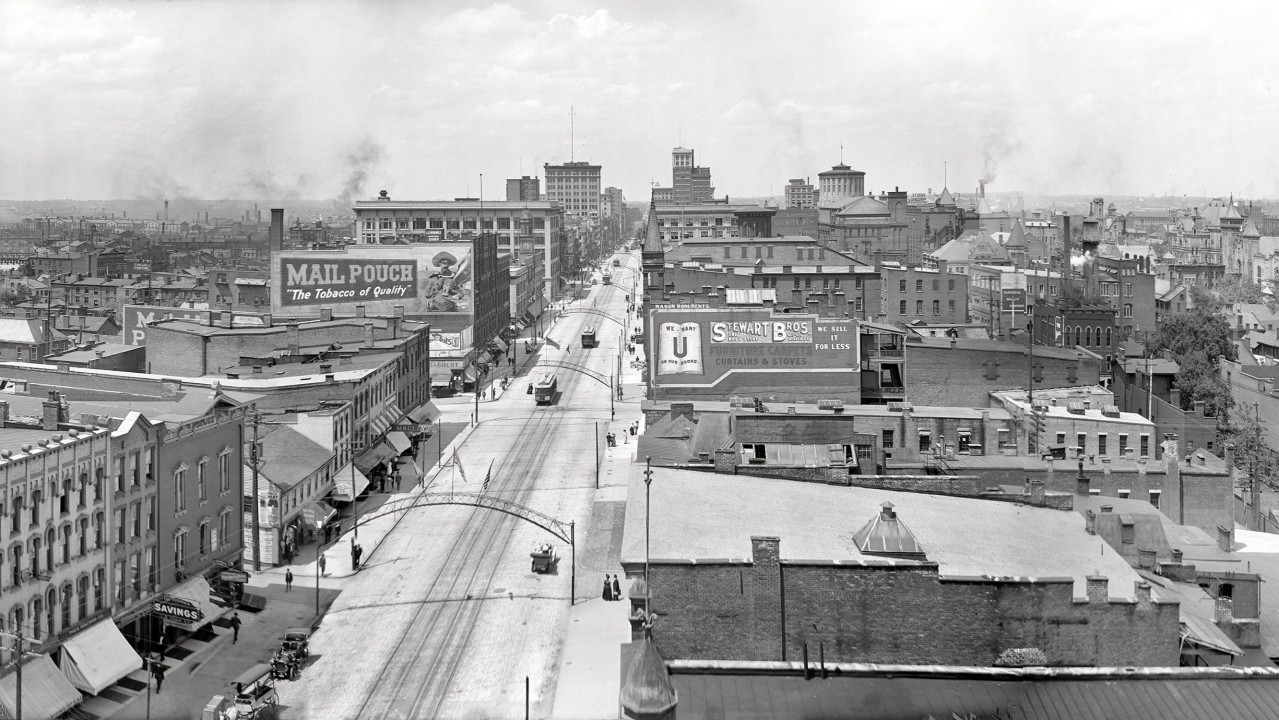
Ohio’s architectural landscape tells the story of a state shaped by industry, innovation, and the enduring craftsmanship of generations. From its early Federal-style homes to the grandeur of Romanesque courthouses and the rugged beauty of industrial brickwork, Ohio’s buildings serve as living monuments to the state’s rich heritage in architecture and masonry.
Early Ohio: Foundation in Federal and Greek Revival
Ohio’s architectural history begins in the late 18th and early 19th centuries, as settlers brought Federal and Greek Revival styles into towns growing along the Ohio River. These buildings—characterized by symmetry, simple lines, and sturdy brick construction—reflected early American ideals of permanence and order. Hand-molded bricks and stone foundations were laid by local craftsmen, many of them masons who had immigrated from Europe and brought Old World skills to the New Frontier.
The Rise of Romanesque and Gothic Revival
By the mid-1800s, Ohio’s booming cities like Columbus, Cincinnati, and Cleveland became hubs for architectural experimentation. The Romanesque Revival, marked by round arches, thick masonry walls, and heavy stone, took root in public buildings such as courthouses and libraries. Gothic Revival churches rose in both rural and urban communities, showcasing pointed arches and ornate stone detailing that demonstrated a growing sophistication in local masonry trades.
Industrial Boom and the Brick Legacy
As Ohio emerged as a manufacturing powerhouse in the late 19th and early 20th centuries, its architecture mirrored the spirit of industry. Brick became the defining material of the era—affordable, durable, and beautiful. Thousands of homes, schools, and factories were built with locally produced brick, many of which still stand today, a testament to the durability of masonry done right.
The craftsmanship in this period was unrivaled. Skilled masons built intricate arches, keystones, lintels, and patterned facades by hand—work that required a deep knowledge of material, mortar, and climate. The red and buff hues of Ohio brick became symbolic of strength and progress.
Mid-Century Modernism and Concrete Innovation
Post-WWII Ohio saw a surge in modernist architecture, using concrete and steel to explore new forms. Brutalist government buildings, minimalist schools, and suburban ranch homes were designed with utility and simplicity in mind. Though the materials evolved, masonry remained at the heart of construction—adaptable to new designs while still honoring time-tested techniques.
Today: Preserving the Past, Building the Future
In recent decades, Ohio has seen a renewed interest in historic preservation and adaptive reuse. Former industrial sites are being transformed into lofts, community centers, and commercial spaces—all while retaining their original masonry charm. Sustainable building practices have brought stone and brick back to the forefront, now appreciated for their low environmental impact and timeless appearance.
Masonry in Ohio continues to thrive—both as a respected trade and a symbol of craftsmanship. Companies like Curatola Masonry carry on this legacy, blending traditional techniques with modern technologies to create work that is not only functional but enduring. Whether restoring a 19th-century stone foundation or building cutting-edge commercial structures, the essence remains the same: quality, precision, and pride.
Conclusion
Ohio’s architectural history is not just about styles—it’s about people. Masons, architects, and builders have shaped the state one brick, block, and stone at a time. Their legacy lives on in the walls around us, and their story is still being written today.