
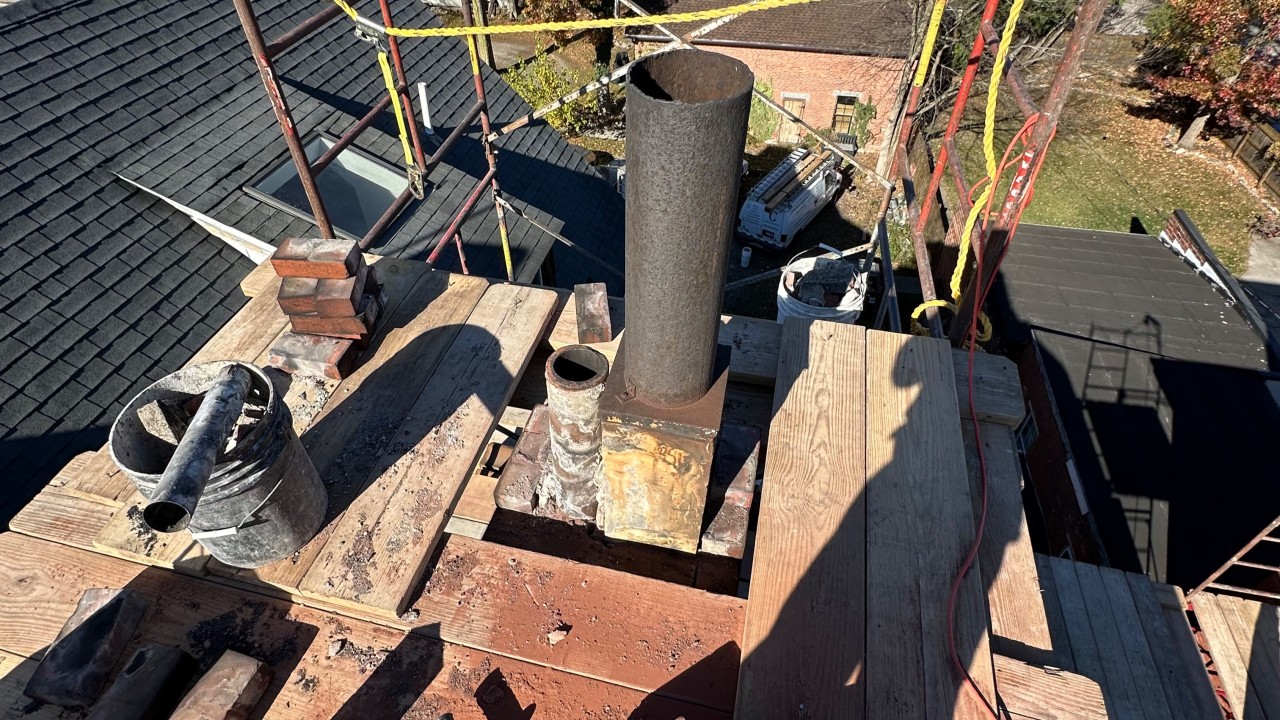
Whether you’re restoring a historic structure or constructing a new home, understanding the various types of chimneys is essential for choosing the right build method, materials, and safety considerations. Chimneys are more than vertical exhaust systems—they are architectural, functional, and often code-regulated components of a structure.
1. Masonry Chimneys (Brick, Stone, Block)
Overview:
Masonry chimneys are constructed from durable materials like brick, block, or stone and have been the standard for centuries. They’re long-lasting, fire-resistant, and aesthetically timeless.
How to Build:
- Foundation: Excavate below frost line and pour a reinforced concrete footing (at least 12” thick, 6” wider than the chimney on all sides).
- Flue Liner Installation: Install fire-rated clay flue liners section-by-section as chimney rises. Joint gaps should be mortared with fireclay.
- Brick or Stone Layup: Build the outer shell around the liner using Type N or S mortar, depending on exposure.
- Chimney Cap & Crown: Finish with a concrete crown with a drip edge to divert water. Add a chimney cap to prevent downdraft and animal nesting.
Use Cases:
Wood-burning fireplaces, stoves, or gas inserts in traditional homes or historic restorations.
2. Metal (Factory-Built or Prefabricated) Chimneys
Overview:
Prefabricated chimneys are made of stainless steel and used primarily for modern wood stoves or factory-built fireplaces. They’re easier and faster to install, with modular systems rated for high heat.
How to Build:
- Chimney Kit Assembly: Select a UL-listed Class A system. These include inner and outer walls with insulation.
- Support Structure: Must be supported at intervals and braced above the roof line per manufacturer specs.
- Clearances: Maintain minimum 2” clearance from combustibles at all times.
- Roof Flashing & Cap: Install high-temp roof flashing and a certified chimney cap.
Use Cases:
Modern residential heating units, cabins, modular homes, and renovations with limited structural load capacity.
3. Rumford-Style Chimneys
Overview:
Named after Count Rumford (1790s), these chimneys are tall and shallow, designed to reflect more heat into the room while improving draft.
How to Build:
- Special Firebox Shape: Build a shallow, curved firebox with angled sides.
- Narrow Throat: Limit flue opening and throat size to accelerate draft.
- Tapered Smoke Chamber: Use smooth parging to funnel smoke into the flue quickly.
Use Cases:
Historic homes, high-end fireplaces, or restorations aiming for energy efficiency and authenticity.
4. Stone Chimneys
Overview:
Constructed of fieldstone, ledgestone, or cut stone, these chimneys are heavy, rustic, and best suited for larger structures.
How to Build:
- Reinforced Core: Often includes a CMU or brick structural core to reduce stone weight.
- Stone Veneer Layup: Use lime-based mortar for appearance and flexibility.
- Flashing Integration: Stone chimneys must be properly flashed at the roof to prevent leaks.
Use Cases:
Lodges, cottages, mountain homes, and traditional luxury residences.
5. Double-Flue & Multi-Flue Chimneys
Overview:
These chimneys contain two or more flues within a single stack—ideal for homes with multiple fireplaces or furnace and fireplace combinations.
How to Build:
- Layout Planning: Map out flue separation using clay liners or stainless steel piping.
- Partition Walls: Use fire-rated masonry partitions between each flue.
- Common Shell Construction: Brick or stone surrounds are built as one monolithic structure.
Use Cases:
Large homes, duplexes, or commercial buildings with multiple heating systems.
⸻
Key Considerations in Any Chimney Build:
- Local Building Code Compliance (IBC, IRC, NFPA 211)
- Proper Draft & Sizing: Flue size must match appliance specs.
- Height: Must extend at least 3’ above roof and 2’ above anything within 10’ horizontally.
- Water Management: Flashings, crowns, and caps are critical to preventing moisture damage.
- Fire Safety: Use fire-rated materials and observe clearance requirements.
Conclusion
Each chimney type serves a different purpose and requires specific skills to construct correctly. Whether you’re preserving a historic landmark with a Rumford fireplace or installing a sleek prefabricated flue in a new home, proper planning, materials, and code compliance are essential. Done right, a well-built chimney can serve its purpose safely and beautifully for over a century.