
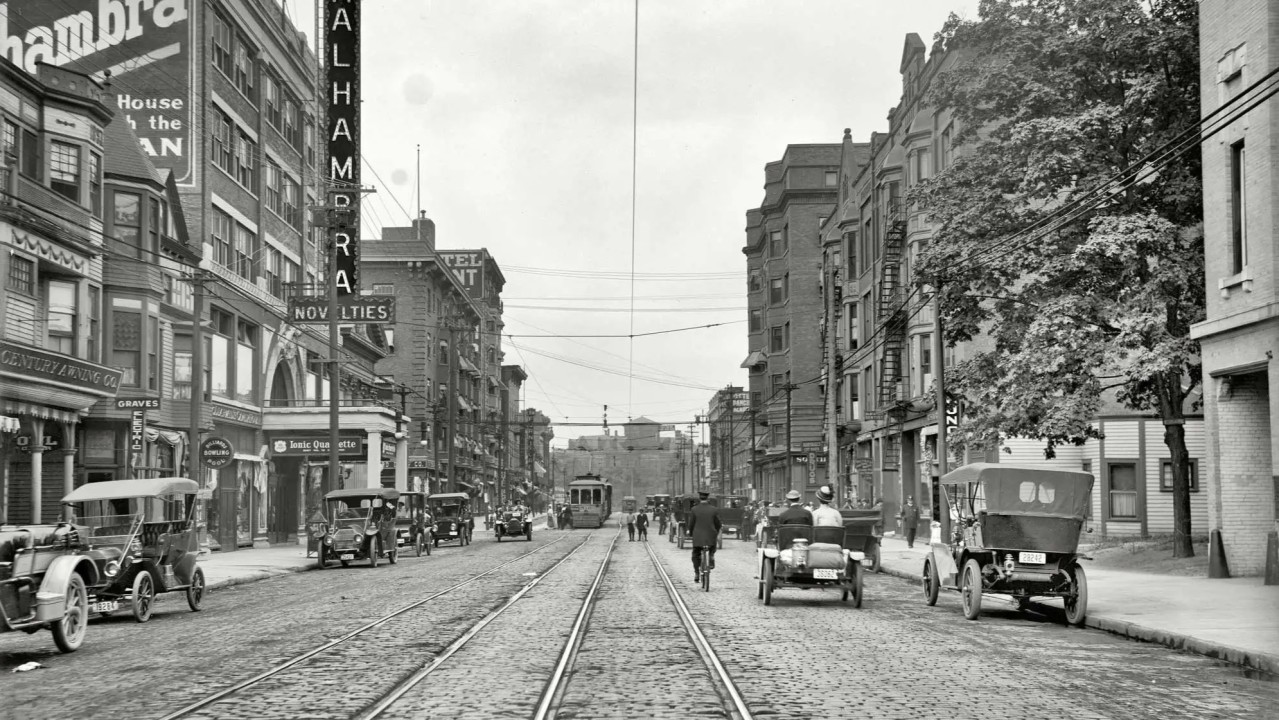
Historic preservation in the United States is a relatively young, yet profoundly important movement rooted in the desire to safeguard the nation’s architectural, cultural, and historical heritage. What began as the passionate efforts of private citizens has evolved into a nationally coordinated system of policies, commissions, and preservation offices that protect historic structures, districts, and landscapes from destruction and neglect. This article explores the origins, evolution, and lasting impact of historic preservation and the rise of historic commissions in the American context.
Early Preservation Efforts: Citizens and Civic Movements
The roots of American historic preservation trace back to the 19th century, when individuals and civic organizations took action to save buildings of national significance. One of the earliest and most symbolic efforts was the campaign to save Mount Vernon, the Virginia home of George Washington. In 1858, the Mount Vernon Ladies’ Association—a group of determined women led by Ann Pamela Cunningham—successfully purchased and preserved the estate. This marked the first national preservation victory and set the tone for citizen-led efforts across the country.
Soon after, similar grassroots movements emerged to protect battlefields, landmarks, and colonial architecture. In the late 1800s, the Preservation of the Old South Meeting House in Boston and the restoration of Independence Hall in Philadelphia further illustrated the growing cultural awareness of America’s built environment.
The Early 20th Century: Institutional Beginnings
By the early 20th century, the preservation movement had gained enough momentum to warrant broader institutional support. The formation of the Society for the Preservation of New England Antiquities (now Historic New England) in 1910 and the Colonial Williamsburg restoration in the 1920s helped define early preservation as both a cultural and educational pursuit. These efforts, often funded by philanthropists and private foundations, focused on recreating the past through meticulous architectural restoration.
It wasn’t until the 1930s, during the Great Depression, that the federal government became actively involved in preservation. Under President Franklin D. Roosevelt, the Historic American Buildings Survey (HABS) was launched in 1933 as a New Deal program to document the country’s architectural heritage. The HABS initiative employed architects, draftsmen, and photographers to record historic structures—a practice that continues to this day.
The Turning Point: The National Historic Preservation Act of 1966
The most pivotal moment in the history of American preservation came in response to widespread urban renewal projects in the mid-20th century, which often involved the demolition of historic buildings in favor of highways and modern developments. In reaction to this, Congress passed the National Historic Preservation Act (NHPA) in 1966, a watershed law that established a comprehensive national framework for preservation.
The NHPA created the National Register of Historic Places, a federal list of historically significant sites, and established State Historic Preservation Offices (SHPOs) to coordinate preservation efforts at the state level. Most importantly, it introduced the concept of Historic Preservation Commissions—local governmental bodies tasked with reviewing proposed changes to historically designated properties and ensuring preservation guidelines are followed.
Local Commissions and the Role of Municipal Preservation
Historic preservation commissions grew rapidly after the NHPA, particularly in cities and towns that recognized the value of maintaining historic character and cultural continuity. These commissions are typically authorized by local ordinances and operate within historic districts or areas with a concentration of historically or architecturally significant buildings.
Local commissions review changes to exteriors, alterations, demolitions, and new construction to ensure compatibility with the district’s character. Their authority helps balance modern development with cultural stewardship, and they play a critical role in public education, design review, and collaboration with property owners.
Preservation in the 21st Century: Sustainability, Equity, and Innovation
Today, historic preservation is a dynamic field that intersects with sustainability, economic revitalization, and social equity. Preserving older buildings helps reduce waste and carbon emissions by extending the life of existing materials. Historic districts boost local economies by attracting tourism, fostering civic pride, and increasing property values.
Preservationists now focus not only on landmark buildings but also on cultural landscapes, vernacular architecture, and the stories of underrepresented communities—ensuring that preservation reflects the full diversity of the American experience.
Conclusion
The history of historic preservation in America is a testament to the power of collective memory and civic responsibility. What began as passionate efforts by private citizens has grown into a robust network of federal, state, and local institutions working to preserve the tangible remnants of the past. Historic preservation commissions, born from the vision of the 1966 National Historic Preservation Act, continue to serve as guardians of architectural integrity and cultural heritage—ensuring that the stories written in stone, brick, and timber are not lost to time.