
In boardrooms and back offices, behind venture capital decks and under fluorescent lights, there’s a recurring pattern that repeats across industries, generations, and startups of all sizes:
The innovator—the spark, the builder, the disruptor—is often the very person who gets sidelined, silenced, or even forced out.
Why?
Because innovation doesn’t color inside the lines. Innovators move fast, challenge norms, and question outdated systems. They don’t always play politics. They don’t nod in meetings just to survive them. Instead, they build. And for some organizations—especially those afraid of change or addicted to control—that’s a threat.
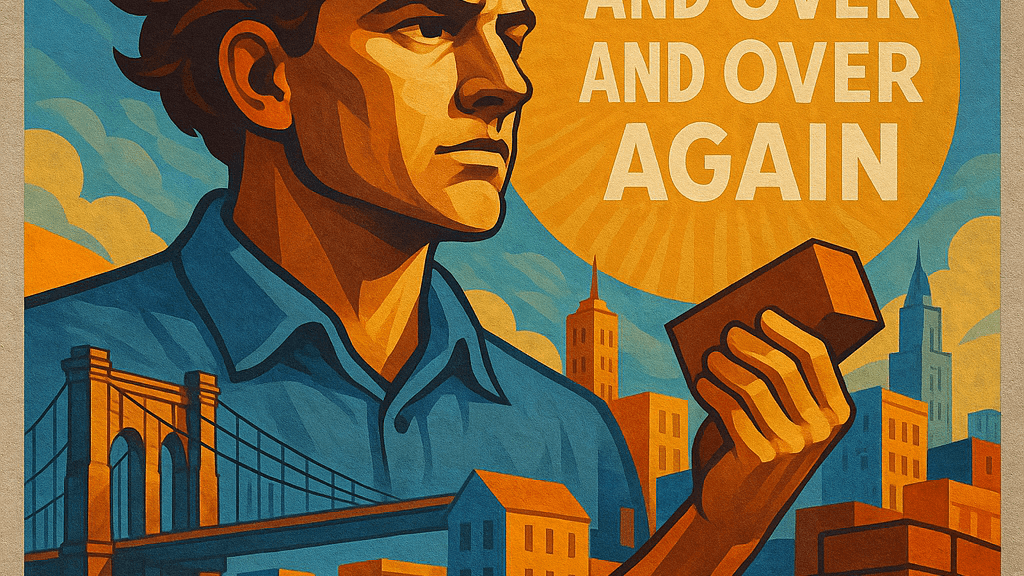
But here’s the twist: while the system may eject the innovator, it never breaks them. In fact, history proves the opposite. Innovators—true ones—don’t just succeed once. They succeed over and over again.
The Difference Between a One-Time Winner and a Lifelong Builder
Anyone can get lucky once. A good market, a good team, and a bit of timing can make someone look like a genius. But take that person out of the comfort of their initial success, and many can’t replicate it. They flounder. Because their win was circumstantial—not foundational.
The innovator? They build again. In a new industry. With a new team. From nothing. They learn, pivot, reinvent, and deliver results. Why?
Because innovation is not just an act. It’s a way of thinking. A reflex. A calling.
It doesn’t matter if it’s software, real estate, brickwork, or biotech—true innovators know how to build systems that solve problems. They don’t need permission. They need space.
When the Innovator Gets Ejected
Often, the innovator gets pushed out after they’ve lit the fire. They’re told they’re “too much,” “too intense,” “too visionary.” In some cases, they’ve become a mirror to those who don’t want to face their own stagnation or limitations. So they’re labeled difficult, or disruptive, or not a “cultural fit.”
But here’s the irony: the culture they didn’t fit into was stagnant by design. And innovators don’t belong in cages.
So they leave. And within months or years, they’re at it again—rebuilding, reshaping, reimagining. Often bigger. Bolder. Better.
And the ones who pushed them out? They’re still sitting in the same meetings, making the same safe decisions, trying to recreate lightning without the storm.
Innovation Is a Lifestyle, Not a Title
The biggest mistake companies make is confusing innovation with trendiness or titles. Real innovation isn’t always loud, or perfectly packaged. It often comes from people who think differently—who don’t wait for orders, who break molds, who challenge assumptions.
These are the people who start empires from napkin sketches. The ones who look at a broken industry and think, “There’s a better way.” They aren’t defined by a single job or a single company. They’re defined by impact.
The Legacy of the Innovator
If you’ve been pushed out, doubted, or dismissed because of your ideas—don’t let it harden you. Let it prove you.
Because history doesn’t remember the gatekeepers.
It remembers the ones who built the gates—and then tore them down to make a road.
Over and over and over again.