
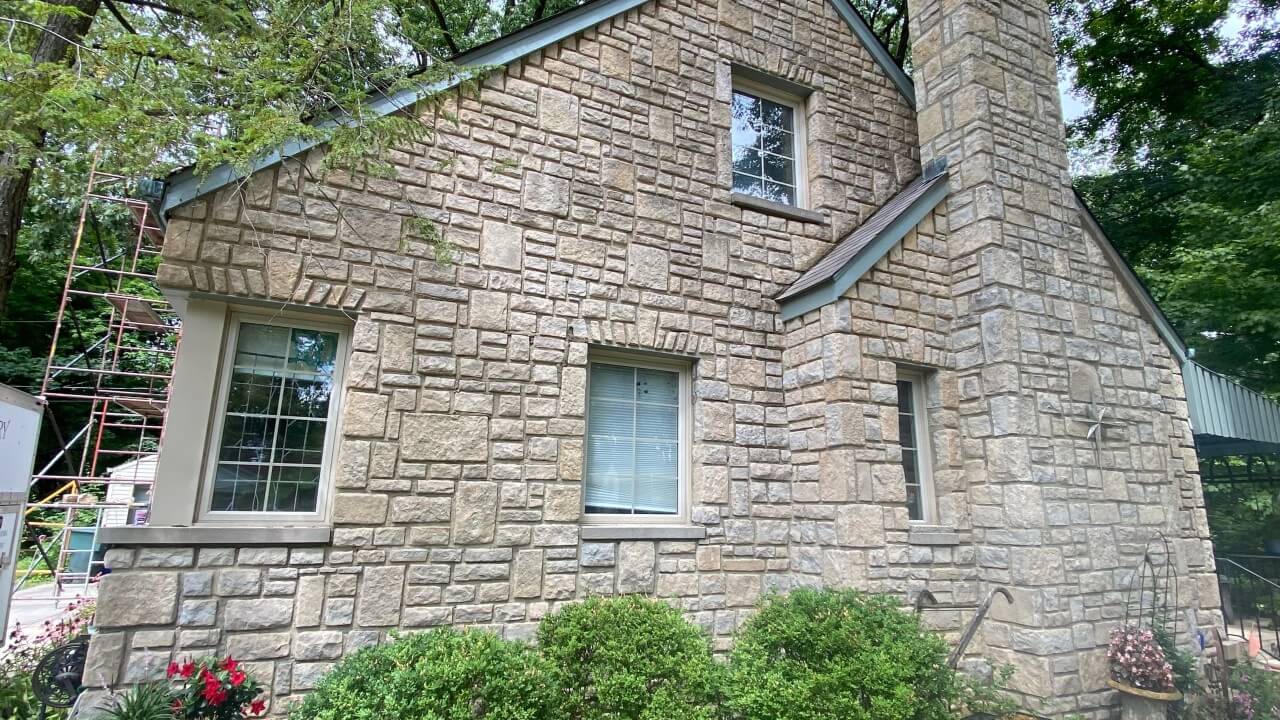
In our rush to build what’s next, we often forget what came before. But true progress in architecture doesn’t come from erasing the past—it comes from understanding and honoring it.
Preservation is not a pause on innovation. It’s the foundation of meaningful design. Every brick, every chisel mark, every weather-worn cornice holds data—architectural, historical, cultural. These are not just structures. They are stories. And those of us who restore them are not simply contractors. We are stewards of memory.
Building with Conscience
Historically, preservation has focused on material replication—matching mortar joints, mimicking details. But the future demands more. We need a new framework—an Ethical Preservation Standard—that prioritizes truth over trend, substance over surface, and purpose over profit.
Ethical preservation asks deeper questions:
• Who built this, and why?
• What communities does it represent?
• How can our restoration efforts advance equity, education, and environmental responsibility?
Preservation, done right, is not about aesthetics. It’s about accountability.
Regenerative Restoration: The New Gold Standard
In the next era of architecture, the most respected projects won’t be the tallest towers or the flashiest façades. They will be regeneratively restored spaces—buildings that blend traditional craftsmanship with modern engineering, honoring the past while strengthening it for the future.
This approach calls for a new kind of builder—equal parts artisan, historian, and innovator. It embraces:
• Digital modeling of heritage elements
• AI-informed condition assessments
• Sustainable sourcing of historic materials
• Hand-laid masonry with generational technique
Preservation must move beyond replication. It must become regenerative—reviving not just structures, but the communities they anchor.
Preservation as Leadership
Preserving a building is not passive. It’s a statement. In an era of disposability, it signals value. In a culture of shortcuts, it demonstrates care.
To restore is to resist the erasure of history. To preserve is to protest planned obsolescence. In doing so, we lead—ethically, culturally, and structurally.
Imagine a future where:
• Cities incentivize restoration over demolition
• Trade schools teach heritage building alongside modern methods
• Zoning codes reward longevity
• Masonry is recognized not just as labor, but as legacy
The Call to Action
As a veteran, a master mason, and a lifelong student of the built environment, I believe we must raise the standard.
Let us establish national guidelines for ethical restoration that unite design, sustainability, and storytelling.
Let us mentor the next generation to see not just what they build, but why they build it.
Let us sign every contract with the unspoken pledge: “This structure has a soul. We will honor it.”
The future of architecture belongs not to those who build faster—but to those who build with reverence.
Not just for the skyline, but for the stories we leave behind.
Let’s carve that into stone.