

Homeowners across Columbus, OH, know that Midwest winters are tough on brickwork—and chimneys take the brunt of it. From cracked crowns and crumbling mortar to full-on leaning stacks, these issues don’t just hurt curb appeal—they put your safety, comfort, and energy efficiency at risk. That’s why professional chimney masonry repair in Columbus, OH, from Curatola Masonry is more than cosmetic—it’s essential.
In this guide, we’ll break down the most common chimney issues we see across Central Ohio and how professional masonry repair solves them for good.
Why Chimneys in Columbus, OH Commonly Deteriorate
Columbus and all of Ohio experience freezing winters and humid summers, leading to repeated expansion and contraction of masonry materials. Over time, this leads to cracks, leaks, and crumbling mortar joints.
Older homes—especially those in Clintonville, German Village, Upper Arlington, Old Towne East, and other historic areas—are even more vulnerable due to aging brick and older construction methods.
Regular inspections and early masonry repairs help prevent minor issues from turning into costly structural damage.
1. Chimney Leaks
Water coming into your chimney or around the fireplace is one of the most common (and damaging) issues in Central Ohio. Rain, melting snow, or ice seeps into cracks in the mortar or brick, then expands during freeze-thaw cycles.
Common Signs of a chimney leak:
- Damp or musty smell near the fireplace
- Water stains on walls or ceilings
- Rusted damper or firebox
- Dripping sounds after rainfall
Masonry Repair Solution: Repointing mortar joints, repairing or replacing flashing, sealing masonry with breathable waterproof coatings, and correcting drainage issues around the crown.
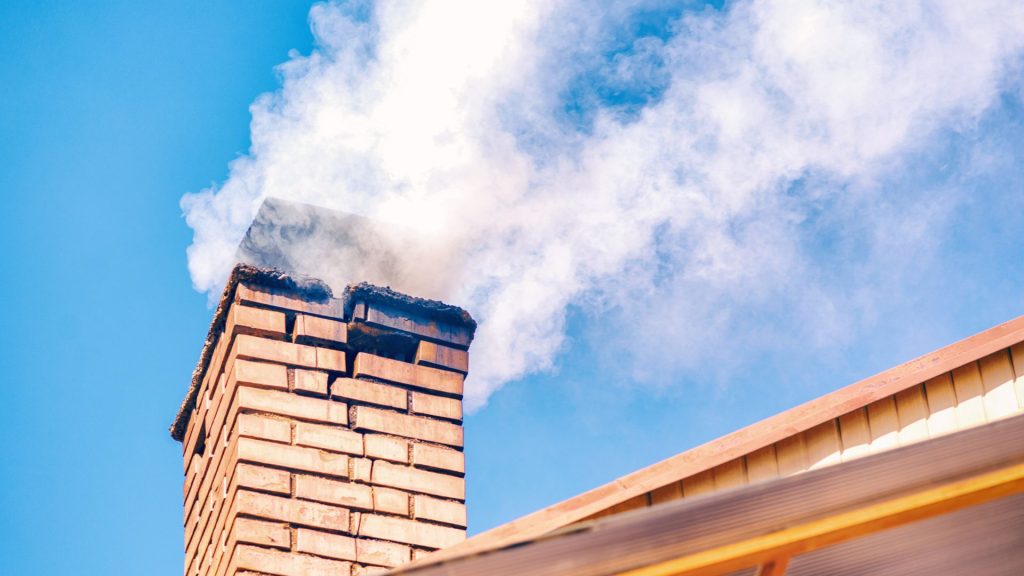
2. Chimney Spalling or Brick Deterioration
Spalling happens when brick faces chip, flake, or break off. This is extremely common after harsh Ohio winters when trapped water inside the bricks expands and forces them apart.
Risks of spalling:
- Loose or falling bricks create a safety hazard
- Reduced chimney strength
- Lower energy efficiency
Masonry Repair Solution: Replace damaged bricks and match historic textures to restore your chimney’s strength and appearance with durable masonry materials.
3. Cracked Chimney Crown
The chimney crown protects the entire structure from water intrusion. A cracked or deteriorating crown allows moisture to damage the flue, chimney walls, and interior fireplace components.
Signs of a failing crown:
- Visible cracks or gaps
- Chimney leaks after rain
- Rust or staining inside the fireplace
Masonry Repair Solution: Rebuild or resurface crowns using reinforced concrete designed for freeze–thaw climates. Install proper slope, edges, and overhang for long-term protection.
4. Damaged Chimney Flue or Liner
Your flue liner protects your home from heat, smoke, and toxic gases. Over time, liners crack due to heat stress, creosote buildup, or animal intrusion.
Warning signs:
- Smoke entering your home
- Odors after rainfall
Pieces of tile or flue material falling into the firebox - Evidence of past chimney fires
Masonry Repair Solution: Camera inspection followed by rebuilding clay tile liners or installing high-quality stainless steel liners that meet local building codes.
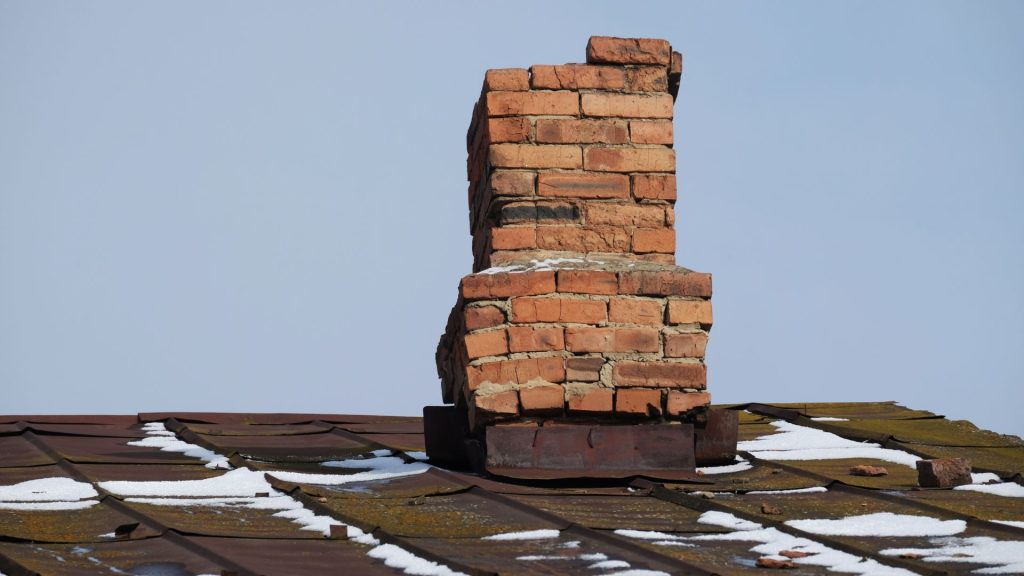
5. Leaning or Tilting Chimney
A leaning chimney is a serious structural threat. Frost heave, foundation settlement, and eroded mortar can cause the chimney to separate from the house.
Dangers include:
- Chimney collapse
- Roof and siding damage
- Water and pest intrusion
Masonry Repair Solution: Stabilization through piering systems, partial or full rebuilds, and proper foundation support to prevent future movement.
6. Efflorescence or White Staining
That powdery white residue on your chimney? It’s efflorescence, caused by water pushing salts from the masonry to the surface. It’s a sign of moisture problems—not just a cosmetic issue.
What it means:
- Water is entering the masonry
- Can lead to long-term structural damage
Masonry Repair Solution: Clean efflorescence safely and correct the underlying moisture issue with repointing, sealing, and venting—especially in older homes.
When to Call a Chimney Masonry Professional
If you’re noticing multiple chimney issues—don’t wait. Small chimney problems in Columbus can quickly become costly in our freeze–thaw climate.
Homeowner Checklist: Chimney Red Flags
- Water stains on the walls or ceiling
- Cracked or missing bricks
- White residue or green growth
- Leaning or pulling away from the house
- Animals or debris in the flue
- Rusted or stuck damper
FAQs: Masonry Repair in Columbus, OH
Q: Can masonry repair be done in winter in Central Ohio?
Yes—Curatola Masonry uses cold-weather additives and schedules repairs within safe temperature windows.
Q: Do I need a permit for chimney repair in Columbus?
Small repairs typically don’t require one, but structural rebuilds do. Curatola Masonry handles all necessary permits for Franklin County and surrounding areas.
Q: How long does chimney masonry repair take?
Most repairs are completed in 1–3 days. Full rebuilds may take 4–7 days, depending on weather and access.
Protect Your Home with Expert Masonry Repair in Columbus, OH
Chimney problems don’t fix themselves—and in Columbus, OH, where moisture and freezing temperatures team up every winter, even a small crack can turn into a costly structural issue.
At Curatola Masonry, we’ve helped homeowners from Hilliard to Gahanna, Clintonville to the Short North, handle chimney repairs the right way—with honest evaluations, lasting materials, and true craftsmanship. We know local brick types, weather patterns, and city permitting requirements, and we tailor every job to your home’s needs.Don’t wait for the next storm to make the damage worse. Contact Curatola Masonry for a free estimate on chimney masonry repair in Columbus, OH.