
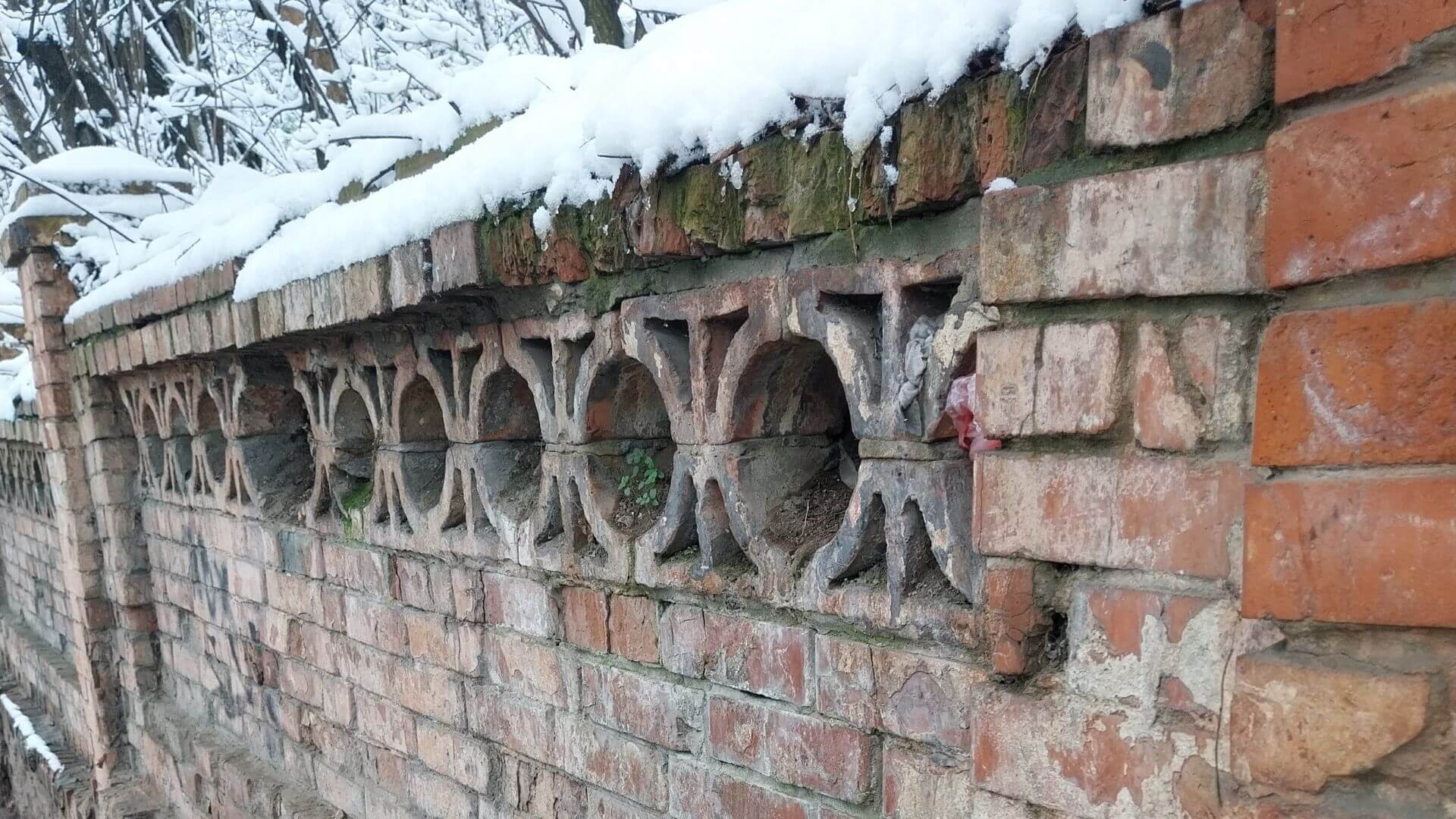
Ohio’s weather is no joke, especially when it comes to how it treats brick and stone. In Columbus, Ohio, we can swing from freezing temperatures to mild afternoons and back again in a matter of days. That constant freeze-and-thaw cycle is one of the biggest threats to brick masonry, stone facades, chimneys, and foundations across Columbus, OH, and surrounding communities.
Homeowners and property managers often ask: Why does masonry fail more quickly in Ohio, and what can I do to prevent costly repairs? This guide, provided by Curatola Masonry, your trusted brick masonry repair and stone masonry repair service company in Columbus, OH, answers that question clearly.
Why Ohio’s Freeze-Thaw Cycles Are So Damaging to Masonry
The science is simple, but the damage can be severe.
Brick and stone are porous materials. When rain, snow, or melting ice seeps into tiny pores and cracks, that moisture expands as it freezes. Expansion puts internal pressure on the masonry. When temperatures rise again, the ice melts, leaving slightly larger cracks behind. Repeat this dozens of times or more each winter, and you get:
- Cracked or spalling bricks
- Flaking stone surfaces
- Mortar joints that crumble or wash out
- Loose bricks and structural instability
In Columbus, OH, neighborhoods like German Village, Clintonville, and Olde Towne East, where many homes are 50 to 120+ years old, this process accelerates because older mortar mixes were softer and more moisture-absorbent.
Early Warning Signs Columbus Homeowners Shouldn’t Ignore
Catching masonry damage early is the difference between minor maintenance and major reconstruction. Watch for these red flags, especially after winter:
- White powdery residue (efflorescence) on the brick
- Hairline cracks in mortar joints
- Bricks popping outward or feeling loose
- Chips or flakes breaking off brick faces
- Damp spots inside the basement walls
These symptoms often show up first on chimneys, front facades, retaining walls, and foundations, the areas most exposed to snow buildup and melting ice.
Ignoring these signs often leads homeowners to need professional brick masonry repair in Columbus, OH, much sooner than expected, especially after harsh winters.
How Proper Mortar Protects Brick and Stone
One of the biggest misconceptions is that brick is the main problem. In reality, mortar is supposed to fail first, and that’s a good thing.
Mortar acts as a sacrificial buffer. When moisture freezes, it should stress the mortar joint, not the brick itself. If the mortar is too hard, too dense, or poorly matched to the brick, the brick will crack, leading to permanent damage.
Many DIY or inexperienced repairs in Columbus, Ohio, use modern, overly hard mortar that traps moisture. This is especially dangerous for historic homes in areas like Bexley or Victorian Village.
The Importance of Professional Repointing
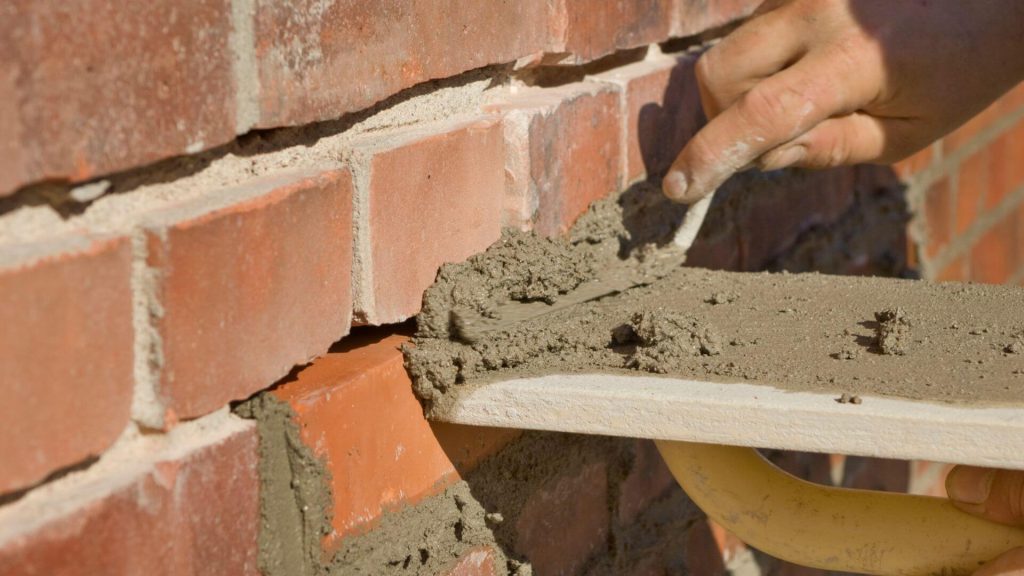
Repointing is the process of removing deteriorated mortar and replacing it with a properly matched mix. When done correctly, it:
- Restores structural stability
- Allows masonry to breathe
- Prevents water from penetrating deeper
- Extends the life of brick and stone by decades
High-quality repointing is one of the most effective long-term defenses against freeze-thaw damage. It is a core service offered by specialists in brick masonry repair in Columbus, OH, who understand local climate stressors.
Water Management: Your First Line of Defense
Freeze-thaw damage always starts with water. Reducing moisture exposure dramatically slows deterioration.
Key Water-Control Strategies
- Clean and repair gutters to prevent overflow onto brick walls
- Extend downspouts at least 4–6 feet from foundations
- Fix grading issues so water flows away from the home
- Seal cracks early before winter hits
In suburbs like Powell and New Albany, where newer homes may still settle slightly, improper drainage can quietly funnel water straight into masonry walls.
Should You Seal Brick or Stone?
This is one of the most common local questions, and the answer is nuanced.
When Sealing Helps
- Dense stone surfaces
- Non-historic brick with minor moisture exposure
- Chimneys exposed to driving rain
When Sealing Hurts
- Older brick homes (pre-1940)
- Walls that are already holding moisture
- Surfaces repaired with mismatched mortar
Breathable masonry sealers may be appropriate in some cases, but improper sealing can trap moisture inside, making freeze-thaw damage worse, not better.
A local inspection by a specialist, such as Curatola Masonry, experienced in brick masonry repair in Columbus, OH, is the safest way to determine whether sealing is right for your property.
Seasonal Maintenance Checklist for Central Ohio Homes
Fall (Before First Freeze):
- Inspect mortar joints and brick faces
- Clear gutters and downspouts
- Seal small cracks where appropriate
Winter:
- Avoid using de-icing salts near masonry
- Remove heavy snow buildup from ledges
Spring:
- Check for new cracks or spalling
- Schedule professional inspections if damage is visible
FAQs: Brick and Stone Masonry Protection in Columbus, Ohio
How often should masonry be inspected in Ohio?
At least once a year, ideally in spring. Older homes may need inspections every 6–12 months due to harsher freeze-thaw exposure.
Does homeowners’ insurance cover freeze-thaw damage?
Usually not. Most policies treat masonry deterioration as a maintenance issue rather than sudden damage.
Can I repair mortar myself?
Small cosmetic repairs are possible, but improper mortar selection can cause serious long-term damage—especially in historic Columbus neighborhoods.
How long does professional repointing last?
When done correctly, repointing can last 30–50 years, even with Ohio’s climate.
Protect Your Brick and Stone the Right Way with Curatola Masonry
Ohio’s freeze-and-thaw cycles are unavoidable, but costly masonry damage doesn’t have to be. With proper moisture control, timely inspections, and expert repairs, brick and stone structures across Columbus, OH, can stand strong for generations.
If you own property in Columbus, Ohio, proactive care and professional brick masonry repair isn’t just maintenance; it’s protection against the region’s toughest environmental challenge.
Contact Curatola Masonry to schedule a consultation and protect your brick and stone for decades to come.