
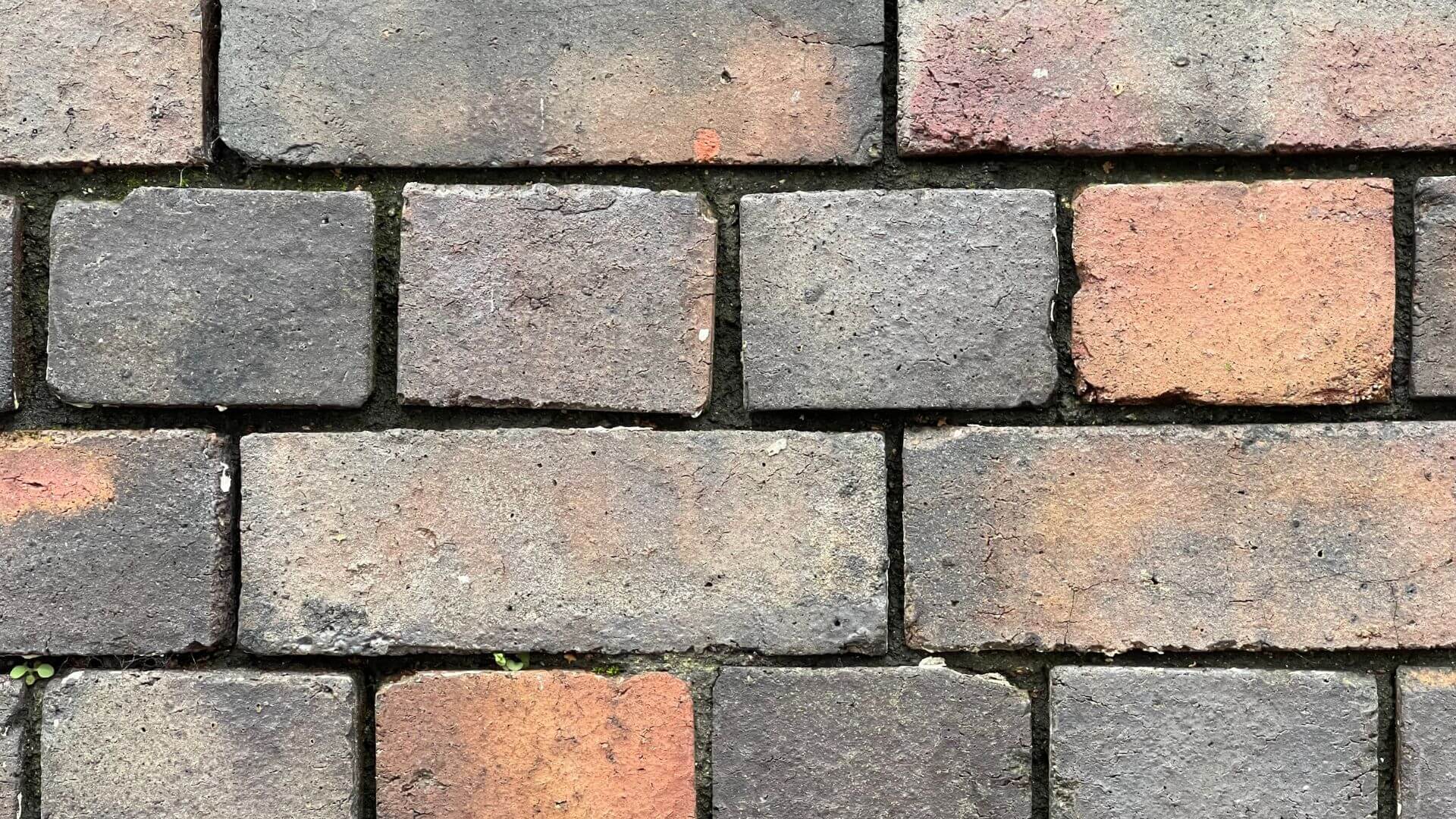
Water damage in masonry buildings rarely starts as a “big leak.” It usually begins as a tiny pathway – an eroded mortar joint, a hairline crack, a failed sealant joint, or missing flashing – that lets bulk water (rain/snow) and wind-driven moisture move deeper into the wall.
Once water is inside, it can trigger the familiar domino effect: efflorescence, freeze-thaw cracking and spalling, corrosion of embedded metals, damaged interior finishes, and even mold when dampness persists.
For commercial and residential owners, the value of masonry repair in Columbus, OH, is that professional repairs don’t just “patch” a surface; they restore the wall’s water-management system. In practice, that means renewing mortar joints (repointing/tuckpointing), repairing and stabilizing cracks, restoring/adding through-wall flashing and weeps, replacing failing sealants at transitions, and using breathable water repellents only after underlying defects are corrected.
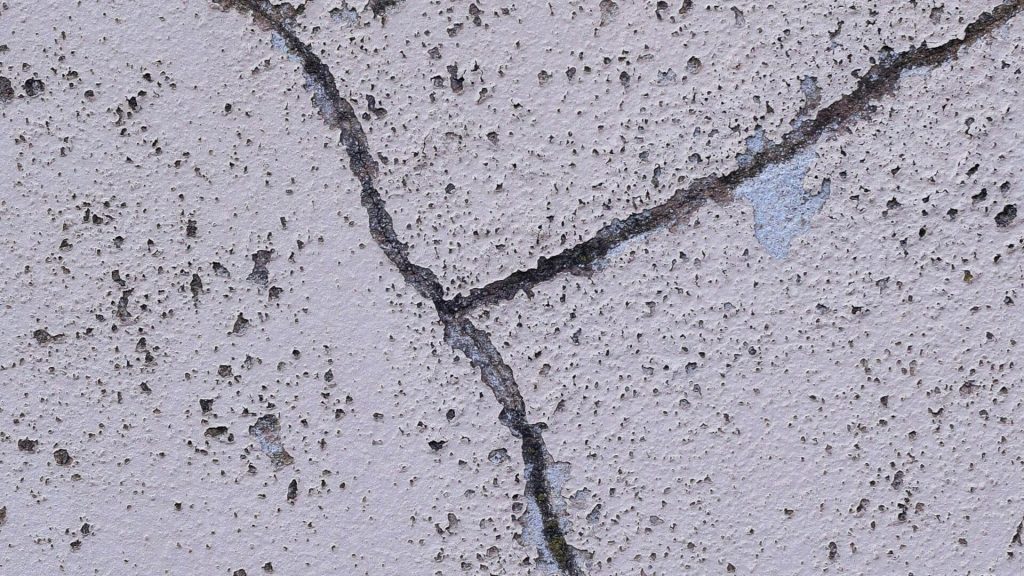
Why Masonry Leaks Start Small in Columbus, OH Weather
Columbus, OH, is a four-season city with real temperature swings and precipitation in every season, exactly the conditions that punish small masonry defects over time.
For example, National Weather Service climate normals show typical January temperatures around 37°F high / 22°F low with measurable precipitation and snowfall, and March averages around 51°F high / 32°F low, a range that repeatedly crosses the freezing point. Those near-freezing oscillations matter because masonry is porous: moisture that enters small voids can freeze, expand, and widen cracks, cycling toward spalling and loose units.
Summer isn’t a “break,” either. July normals show warm temperatures (about 85°F/66°F) and significant rainfall, so any unresolved drainage/detailing issue can still drive water into assemblies.
A crucial (and often misunderstood) point for owners: many modern brick veneer walls are intentionally designed as drainage systems, not as perfectly watertight barriers. The Brick Industry Association guidance notes that water is assumed to penetrate brick veneer and that proper flashing, weeps, and an air space are necessary to redirect it back outside. In other words, some moisture entry is expected; a managed exit prevents damage.
Masonry Repair Methods That Stop Water At The Source
Professional masonry repair prevents water damage best when it follows a disciplined sequence: inspect → identify the moisture source(s) → repair the pathway(s) → restore drainage → verify performance.
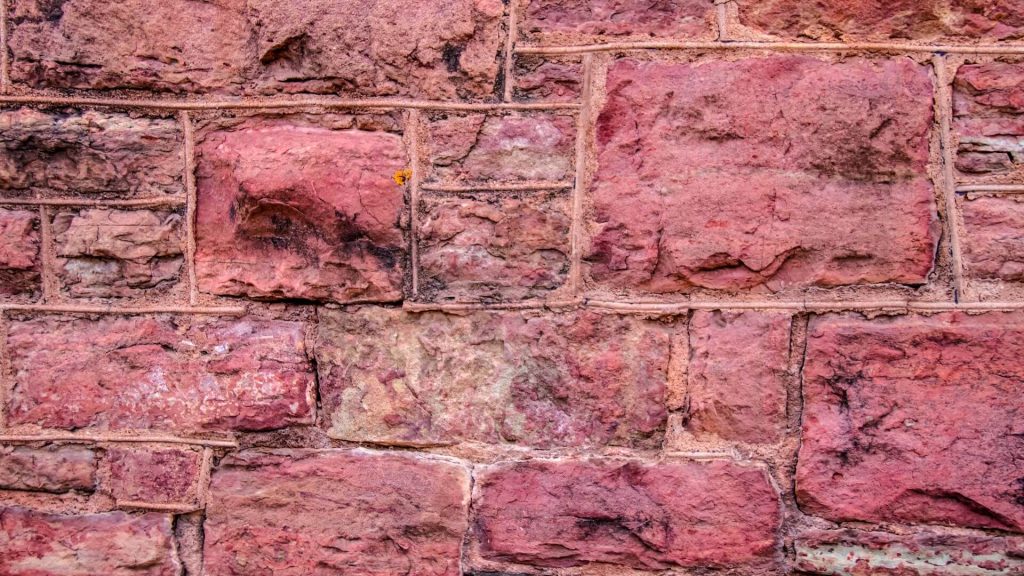
Repointing and Tuckpointing
What pros do: Repointing is the controlled removal of deteriorated mortar and replacement with new mortar; tuckpointing is often used as a specialized finish/aesthetic approach while still restoring joints. Skilled work is less about “filling gaps” and more about rebuilding the joint. Hence, it sheds water and protects the masonry units by installing mortar in lifts, tooling to the right hardness, and matching mortar properties so the wall can manage moisture without damaging the brick.
Why it prevents water damage: Water commonly exploits micro-separations at mortar joints. When joints crumble or crack, rain and meltwater can migrate inward; continued wetting, along with freeze-thaw cycling, can drive cracking and spalling. Repointing closes that pathway and restores surface integrity, reducing saturation, slowing freeze-thaw distress, and protecting adjacent metals and finishes.
Expected durability: As a rule of thumb for well-executed work, a good repointing job is intended to last at least ~30 years, and in many cases 50–100 years, while poor craftsmanship shortens service life. (Actual life varies with exposure, detailing, and maintenance.)
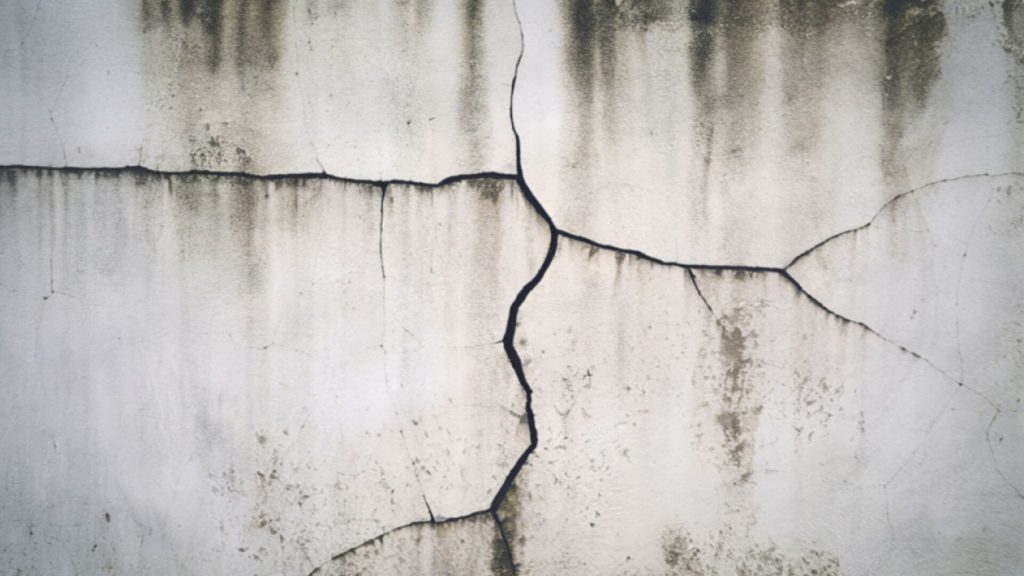
Crack Repair and Crack Stabilization
What pros do: Not all cracks are equal. Professionals first diagnose whether a crack is cosmetic (shrinkage, minor joint cracking) or structural (movement, differential settlement, corroded lintels/shelf angles, bulging).
Repair options then range from localized mortar repair and sealing to stitching/stabilization using remedial anchors/ties or helical reinforcement where appropriate. Remedial anchors/ties and retrofit measures are part of moisture-related maintenance when ties are damaged or missing.
Why it prevents water damage: Cracks are direct routes for capillary and bulk water. Stabilization reduces movement (so cracks don’t reopen) and closes the pathway so water can’t repeatedly saturate the same vulnerable zone, especially important around window heads, corners, and parapets, where differential movement is common.
Flashing, Weeps, and Drainage Restoration
What pros do: Flashing is the “hidden plumbing” in masonry walls. Brick Industry Association water-penetration guidance recommends through-wall flashing at wall bases, window sills and heads, shelf angles, parapets, roofs, and at cavity discontinuities, and it provides best-practice guidance for drainage cavities and weeps.
On existing buildings, professionals may: – repair damaged flashing in sections and restore continuity, – open or retrofit weeps (especially where clogged or painted over), – correct details at window heads/sills and roof-wall intersections, – restore the required pathway for water to exit.
Why it prevents water damage: If water is assumed to penetrate the veneer, then drainage failure (missing flashing, blocked weeps, bridged cavities) is what turns normal wetting into damage. Restoring drainage directs water back out before it can soak into backup walls, insulation, or interior finishes—reducing the risk of corrosion and dampness.
Sealants at Transitions and Movement Joints
What pros do: Sealants fail quietly – pulling away from brick, becoming brittle, or tearing at joints around windows/doors and dissimilar-material transitions. It is recommended to remove and replace deteriorated sealants and backer rod. Sealants are meant to prevent air and water from entering or exiting while allowing limited substrate movement.
Why it prevents water damage: Commercial façades often rely heavily on sealant joints at interfaces. When they fail, water bypasses exterior shedding details and can enter directly at the most leakage-prone locations (perimeters, corners, transitions).
Breathable Masonry Waterproofing and Water Repellents
What pros do: Waterproofing is not a substitute for fixing defects. Correct masonry deficiencies before considering coatings/water repellents. When appropriate (e.g., after repointing and flashing corrections), a penetrating, vapor-permeable water-repellent may reduce absorption at exposed surfaces, especially on chimneys, parapets, and sills, where exposure is harsher.
Why it prevents water damage: Water repellents can reduce wetting and lower freeze-thaw stress by limiting saturation. However, they still require maintenance cycles; the estimated time to repair/reapply water repellents is typically ~5–10 years.
Structural Stabilization and Foundation-Related Masonry Repair
When water intrusion coexists with movement (bowing walls, sagging lintels, stepped cracking), stabilization matters because reopening cracks is how water problems “come back.” Curatola Masonry highlights foundation cracks, settling, and water infiltration as common drivers requiring specialized repair techniques.
In some façade scenarios, helical reinforcement methods are marketed as cost-saving alternatives to full lintel/brick replacement, with one industry example estimating roughly $70/linear foot for helical beaming versus $195/linear foot for replacing a steel lintel and brick.
Choosing The Right Fix
In Columbus, OH, the most actionable approach is to treat visible masonry symptoms as clues to a moisture pathway. Common red flags include:
- white powdery residue (efflorescence)
- hairline mortar cracks or missing mortar
- spalling/flaking brick faces
- loose or “popping” bricks
- damp basement/interior wall spots after rain or snowmelt
Efflorescence is especially diagnostic: it forms when water carrying dissolved salts migrates to the surface and evaporates, leaving salt deposits, so persistent efflorescence is often a moisture-management issue, not merely a cleaning issue.
Let Curatola Masonry Protect Your Property with Expert Masonry Repair Solutions
Water damage can silently compromise the integrity of both residential and commercial structures, leading to costly repairs and long-term structural issues. By investing in professional masonry services, property owners can proactively safeguard their buildings against moisture intrusion and deterioration.
When it comes to masonry repair in Columbus, OH, working with experienced professionals like Curatola Masonry ensures that cracks, deteriorating mortar joints, and other vulnerabilities are properly addressed before they escalate. Timely repairs not only restore the strength and appearance of your masonry but also create a strong barrier against water infiltration, helping you avoid mold growth, interior damage, and structural weakening.Ready to protect your property from water damage? Contact a trusted local expert today to schedule an inspection and ensure your structure stays strong, dry, and built to last.