
If you own a home or commercial building in Columbus, OH, chances are brick, stone, or block plays a role in how it was built. From German Village’s historic rowhouses to the modern commercial corridors of Polaris and Dublin, masonry is everywhere in Central Ohio — and it doesn’t last forever without proper care. Ohio’s freeze-thaw winters, humid summers, and decades-old mortar joints all take a toll over time.
That’s where a qualified masonry restoration contractor in Columbus, OH, like Curatola Masonry comes in. Whether you’re dealing with crumbling mortar on a century-old home in Clintonville or spalling brick on a commercial building downtown, choosing the right contractor makes the difference between a lasting repair and a recurring headache. This guide walks through what masonry restoration actually involves, what to look for in a contractor, and how to avoid the most common mistakes property owners make.
What Is Masonry Restoration, Exactly?
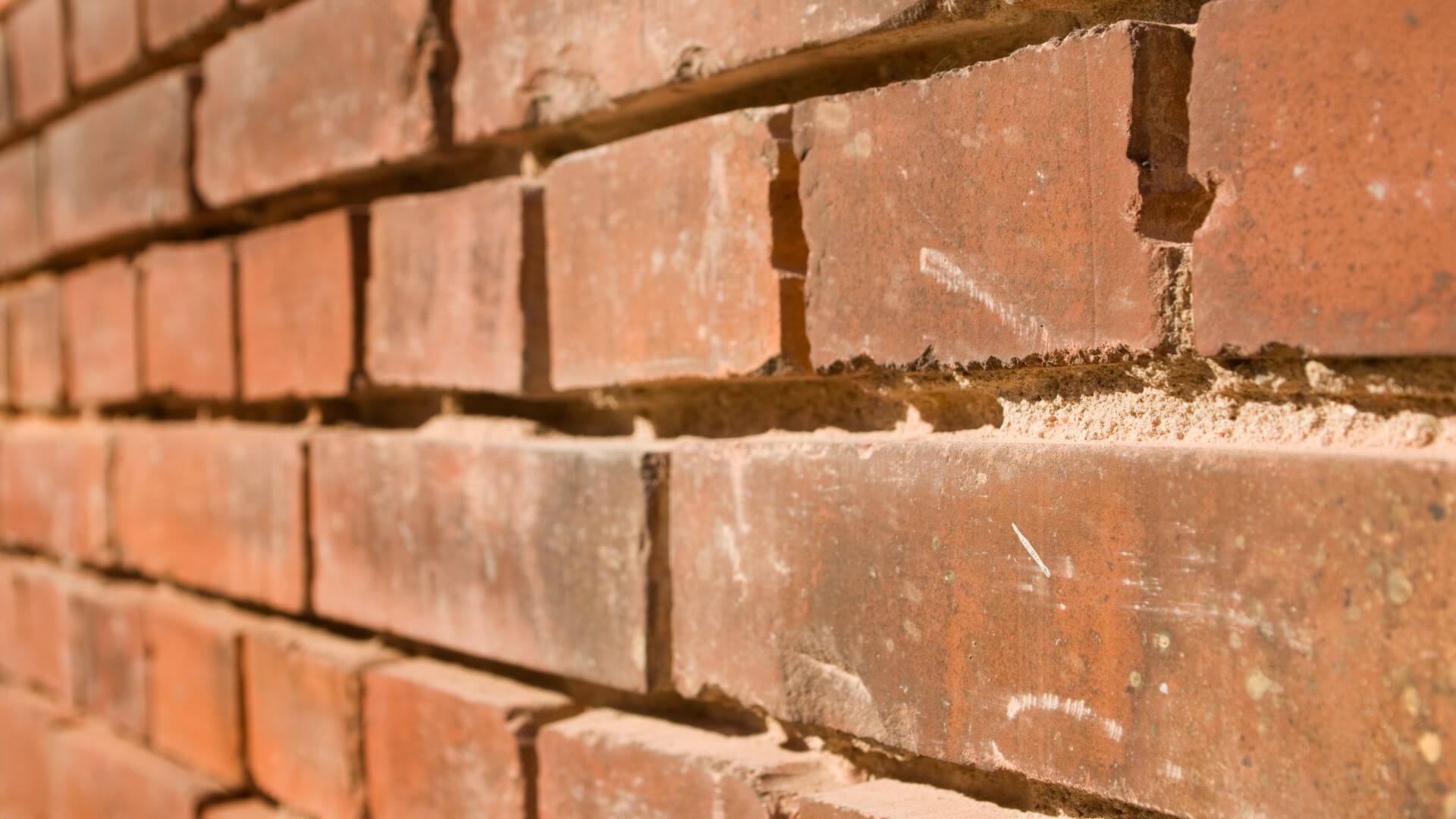
Masonry restoration is the process of repairing, stabilizing, and preserving brick, stone, block, or mortar that has deteriorated over time. It’s different from a quick patch job. Restoration is about matching original materials, techniques, and craftsmanship so the repair blends in and holds up — not just covering a problem for a season or two.
Common restoration work includes:
- Repointing deteriorated mortar joints
- Brick replacement for spalled, cracked, or crumbling units
- Chimney rebuilding and crown repair
- Historic facade restoration for older buildings
- Foundation and retaining wall repair
- Tuckpointing to restore structural integrity and appearance
- Waterproofing and sealing to prevent future water damage
If you’re noticing white powdery residue (efflorescence), crumbling mortar you can scrape out with a fingernail, or bricks that are flaking on the surface, you’re likely looking at a restoration need — not just a cosmetic issue.
Why Columbus Property Owners Need Restoration Specialists (Not Just General Contractors)
Masonry restoration is a specialized trade. A general contractor might be great at framing or drywall, but restoring century-old brick on a Victorian Village home requires an entirely different skill set — including knowledge of historic mortar formulations, lime-based mixes, and matching original brick coloring and texture.
Columbus has a lot of masonry stock that dates back 80, 100, even 150 years. Neighborhoods like German Village, Olde Towne East, and parts of Bexley are full of homes where the original mortar was a soft lime mix — very different from the hard Portland cement mixes used today. Using the wrong mortar on an old building isn’t just cosmetically wrong; it can actually accelerate brick damage, because the mortar ends up harder than the brick itself and forces moisture to escape through the brick instead of the joint.
This is one of the biggest reasons to hire an experienced masonry restoration contractor in Columbus, OH rather than a handyman or general contractor: getting the materials and technique right protects the building for the next 50+ years, not just the next five.
What to Look For in a Masonry Restoration Contractor in Columbus, OH

When you’re vetting contractors, here’s what actually matters:
1. Experience With Both Historic and Modern Masonry
Ask directly: “Have you worked on buildings from this era before?” A contractor who’s repointed 1920s bungalows in Clintonville will approach the job differently than one who’s only worked on new commercial builds in Dublin or Grove City.
2. Local Knowledge of Columbus Weather and Building Stock
Ohio’s freeze-thaw cycles are brutal on masonry. A contractor familiar with how Columbus winters affect brick, stone, and mortar will know which materials and techniques hold up best in this specific climate — not just in a generic “Midwest” sense.
3. Proper Licensing, Insurance, and References
This should be non-negotiable. Ask for proof of insurance, references from recent local jobs, and photos of completed restoration work — ideally on buildings similar to yours.
4. Transparent, Detailed Estimates
A trustworthy contractor will walk the property, explain what they’re seeing, and give you a written estimate that breaks down materials, labor, and scope. Be cautious of anyone who quotes a price without inspecting the masonry in person.
5. A Portfolio That Matches Your Project Type
Commercial property owners should look for a contractor with commercial project experience specifically — parapet walls, large-scale tuckpointing, and multi-story facade work involve different logistics, equipment, and safety planning than residential jobs.
Residential vs. Commercial Masonry Restoration: What’s Different?
Homeowners and commercial property owners often have different priorities, and a good contractor should be able to speak to both.
For residential properties, restoration is often about:
- Preserving curb appeal and historic character
- Preventing water intrusion into living spaces
- Chimney safety and structural stability
- Long-term value protection for resale
For commercial properties, priorities usually include:
- Minimizing disruption to tenants or business operations
- Code compliance and safety liability
- Facade appearance for customer-facing buildings
- Larger-scale scheduling (scaffolding, permits, multi-week timelines)
A qualified masonry contractor working across both residential and commercial properties in Columbus, OH will have systems in place to handle either scenario efficiently — from a single chimney repair in Grandview Heights to a full facade restoration on a downtown office building.
Common Warning Signs You Need Restoration Work
Property owners often wait too long to call a contractor because early signs seem minor. Here’s what to watch for:
- Cracked or missing mortar joints — especially joints deep enough to see daylight or insert a coin
- Bowing or leaning walls — a sign of structural movement that needs immediate attention
- Spalling brick — where the face of the brick is flaking, chipping, or popping off
- Efflorescence — white, chalky mineral deposits signaling water is moving through the masonry
- Interior water stains near chimneys or exterior walls — often traced back to failed masonry, not roofing
- Visible daylight through chimney joints — a fire and carbon monoxide safety concern
Catching these issues early typically means a smaller, less expensive repair. Waiting often means the damage spreads to surrounding brick or mortar, turning a modest repointing job into a full section rebuild.
How Curatola Masonry Approaches Masonry Restoration in Columbus, OH
At Curatola Masonry, we work with both residential and commercial property owners across the Columbus area — from historic tuckpointing in German Village to large-scale commercial restoration projects throughout central Ohio. Our approach starts with a thorough on-site assessment, honest recommendations, and a plan that matches the right materials and techniques to your specific building and budget.
Whether you’re dealing with a chimney that’s shedding bricks or a commercial facade that needs a full restoration plan, working with an experienced masonry restoration contractor who understands Columbus’s building stock and climate is the best way to protect your investment for decades to come.
Looking for a trusted masonry restoration contractor in Columbus, OH? Curatola Masonry has been serving residential and commercial property owners throughout central Ohio. Contact us today for an on-site assessment.
Frequently Asked Questions
How much does masonry restoration cost in Columbus, OH?
Costs vary widely depending on the scope — a single chimney repair might run a few hundred to a couple thousand dollars. In contrast, a full facade restoration on a commercial building can run into the tens of thousands. The best way to get an accurate number is an in-person assessment, since pricing depends on brick availability, mortar type, and the extent of the damage.
How long does masonry restoration take?
Small residential repairs, like repointing a section of a chimney, often take one to three days. Larger residential or commercial projects can take one to several weeks, depending on square footage, weather, and whether scaffolding or permits are required.
Can masonry restoration be done in the winter in Ohio?
Some work can be done in colder months with proper cold-weather mortar additives and temporary enclosures. Still, many contractors recommend scheduling major restoration work in spring through fall for the best mortar curing conditions. A local contractor can advise on timing based on your specific project.
Do I need to replace my whole chimney if it’s damaged, or can it be repaired?
In most cases, chimneys can be repaired rather than fully rebuilt — repointing, crown repair, or partial brick replacement often solves the problem. Full rebuilds are usually only necessary when there’s significant structural movement or the damage extends below the roofline.
How do I know if I need repointing or a full brick replacement?
If the mortar is failing but the brick itself is intact, repointing is usually sufficient. If the bricks themselves are cracked, spalling, or crumbling, replacement of those specific units is needed. A contractor can typically tell the difference during a quick visual inspection.
Is masonry restoration different from general masonry repair?
Yes. General repair often addresses a single, isolated issue. Restoration takes a broader view — matching historic materials, addressing root causes like water intrusion, and preserving the long-term integrity and appearance of the structure.
How often should I have my masonry inspected?
For most properties, an inspection every 3-5 years is reasonable, or immediately after noticing warning signs like cracking, efflorescence, or water stains. Older homes and commercial buildings with heavy weather exposure may benefit from more frequent checks.